
Blog
Scroll down to view all posts, or view our archive to view blog post titles over time.
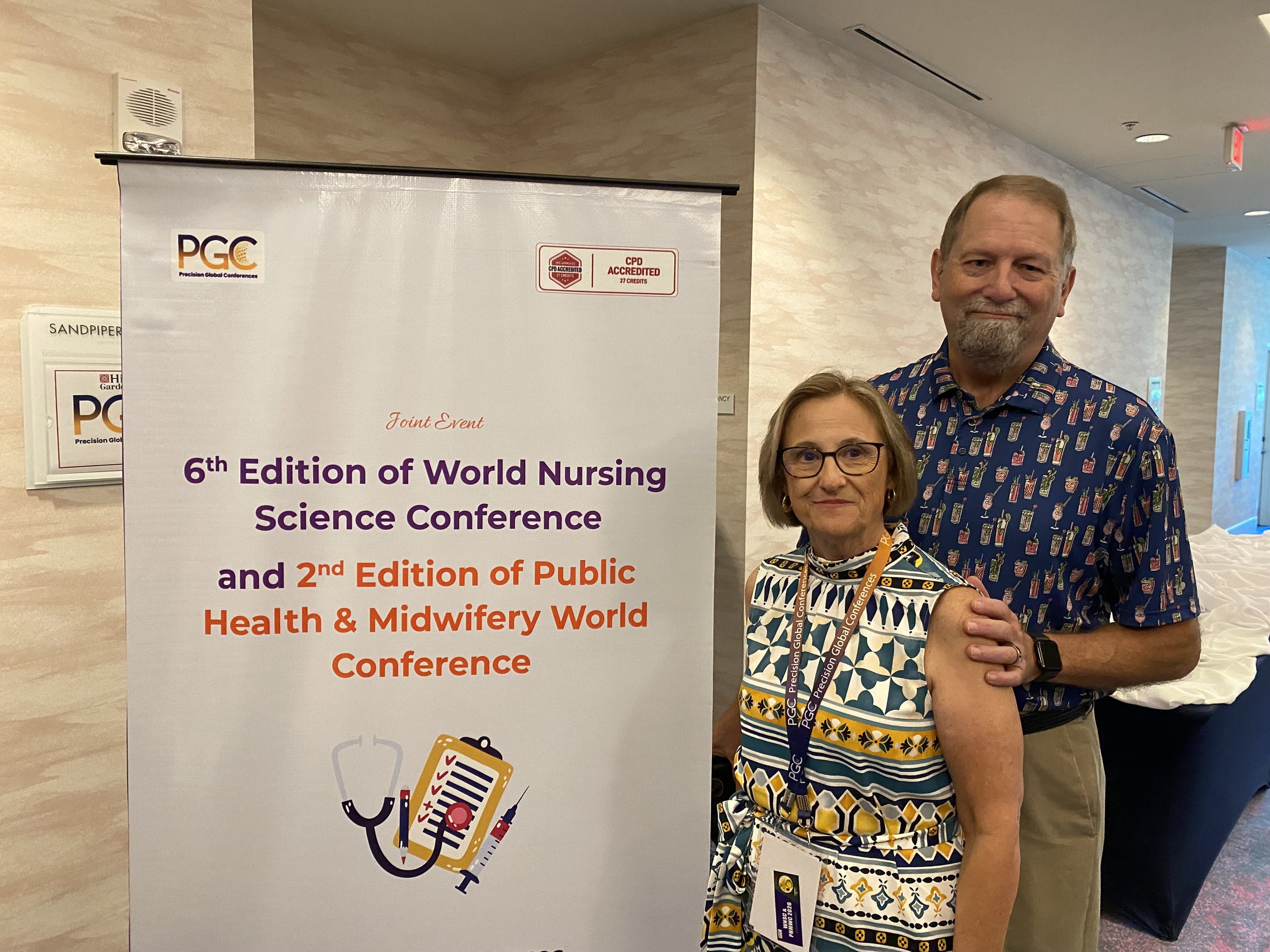
Having a community of like-minded Care Partners makes a difference
In the five years since my husband’s stroke and the founding of CarePower Connect, I have learned many lessons on my own, but still needed to lean on the Care Partner community for support. Without that community, I wouldn’t have been able to be the Care Partner my husband needed and deserved.
This month, I want to share what a supportive Care Partner community looks like, why fostering this kind of community is so important, how to find your community, and how CarePower Connect can be a supportive community.
When I first became a caregiver, I was overwhelmed and could not find the support I needed. I had no idea what I needed or how to even figure out what I needed, and I felt as if I had nobody in my life who fully understood what I was going through.
As a retired nurse, I realized other caregivers would be best-suited for helping me navigate this role I’d suddenly assumed. Together, with other caregivers and a small team, we now have a support framework.
Let’s get started…
In the five years since my husband’s stroke and the founding of CarePower Connect, I have learned many lessons on my own, but still needed to lean on the Care Partner community for support. Without that community, I wouldn’t have been able to be the Care Partner my husband needed and deserved.
This month, I want to share what a supportive Care Partner community looks like, why fostering this kind of community is so important, how to find your community, and how CarePower Connect can be a supportive community.
When I first became a caregiver, I was overwhelmed and could not find the support I needed. I had no idea what I needed or how to even figure out what I needed, and I felt as if I had nobody in my life who fully understood what I was going through.
As a retired nurse, I realized other caregivers would be best-suited for helping me navigate this role I’d suddenly assumed. Together, with other caregivers and a small team, we now have a support framework.
Let’s get started…
Why is a community important for your well-being?
When I joined a support group, I found an outlet for processing sadness, depression, fear, anger, and guilt I was feeling. I learned practical tips from others and built a meaningful connection with others who understand Care Partner life because they’re living it themselves. The group has helped me manage burnout and improved my overall well-being.
Family and friends are great, but let’s be real: before my husband’s stroke, I had no idea what caregivers experienced, so I lacked the empathy to provide the support needed. This was of course the case with my own loved ones when I became the one who needed help.
I’ve been a guest speaker at many support groups, and being able to connect with so many different people has truly fed my soul.
Benefits of a Caregiver Support Community
Emotional Sharing: When you surround yourself with others who understand the realities of caregiving, it can ease feelings of isolation, guilt, and frustration. What I found is that we all have similar issues, but different ways of coping. Together as a community, we laugh about the craziness we are dealing with and cry about the loneliness and fatigue we have felt. The best part is what is shared with the group and stays with the group.
Practical Guidance: The community shared real-world tips for managing daily tasks, navigating health systems, and finding local services. When I began this journey, I had so many questions and so few answers. Fortunately, my support group was able to help me by sharing what worked for them.
Respite and Refreshment: I was always telling myself I was too busy to go to meetings or join online groups. During the first year, when I needed community the most, I didn’t seek it. I felt guilty leaving my husband, embarrassed that I couldn’t handle the responsibility on my own, and unwilling to admit my shortcomings since I thought I was the only one experiencing this. But when I joined, I found the group offered a level of support I had no idea even existed.
Finding a community that meets your needs
At the time of discharge, I was given a packet of information and resources for support groups. Once my husband came home, that packet sat on the table as caregiving. When I finally caught my breath for long enough to finally take a look at these resources, it turned out they were meant for stroke survivors rather than caregivers.
Once my husband stabilized, I began searching for guidance elsewhere. Very few resources specifically for caregivers were available, and most of them didn’t meet my own needs.
I realized: if I can’t find the proper help, then neither can most caregivers. That needed to change, and I became committed to helping make that change happen.
And so, these are the steps I took:
I contacted the American Stroke Association and became involved with the organization advocating for us. I also became familiar with resources they provide, which can all be found under the "Resources” tab on the CarePower Connect website.
I founded CarePower Connect as a home for the caregiver and Care Partner to quickly find education, resources, support and community.
After a couple of years being the admin for my private Facebook group, called “Stroke and the Spouse Caregiver.” I eventually sought to grow this community even further beyond the roughly 2,000 members this Facebook group had curated. My website was a great start, but caregivers needed and deserved more. Starting CarePower Connect would be the next and most important step. Why join our community? Because you deserve clear and reputable information from trusted sources, along with an ever-growing community eager to support you though every step of your caregiving journey.
How CarePower Connect can help:
If the blog touches your heart and resonates that you need more support, we are here to help you. If you are looking for needed support, additional education, and tips on how to deal with the ongoing journey. Sign into www.carepowerconnect.com and check out the caregiver course, support group offering, books, and blogs. Listen to our podcast “Both Sides of the Bed” now available of Spotify and You Tube. Join the conversation with myself and others on social media. Contact me through the website for a consultation and guest appearances.
What happened to our marriage/relationship after the stroke?
After the crisis and my husband stabilized, the reality of our life change became very evident to not only me but my husband as well. What was once routine no longer was. Our roles in our marriage suddenly changed and I was now responsible for holding our lives together. This is a very lonely place but now 5 years in, I can share that it does get better, but it will never go back to your pre-stroke marriage or relationship with your loved ones. I am frequently asked to share our challenges and how we overcame them. When addressing my marriage, I needed to be vulnerable, honest and determined that we would find our way. Like most, your loved one is either not able to participate in the marriage or is not willing to.
I am not a marriage or relationship counselor, but I have heard your cries at wanting your loved one back. I got it, I was there and it is a day-to-day commitment. The changes that I and others have experienced have a similar theme, but everyone has a little different story. This month, let’s focus on what the changes look like and possible why’s and what has worked for my husband and I. Just a quick disclaimer, no marriage or relationship is perfect, and your past relationship always seems better in hindsight.
The changes that you may experience are not only physical but emotional, behavioral and cognitive. Many are due to the source of the stroke or the anger and depression related to this sudden life change. But no matter what the source, your feelings are real and need to be acknowledged so that you can move forward.
The two concerns I hear most often are: Will we ever have an intimate relationship again? And we are both so angry and fearful that I don’t know if we can get past this?
After the crisis and my husband stabilized, the reality of our life change became very evident to not only me but my husband as well. What was once routine no longer was. Our roles in our marriage suddenly changed and I was now responsible for holding our lives together. This is a very lonely place but now 5 years in, I can share that it does get better, but it will never go back to your pre-stroke marriage or relationship with your loved ones. I am frequently asked to share our challenges and how we overcame them. When addressing my marriage, I needed to be vulnerable, honest and determined that we would find our way. Like most, your loved one is either not able to participate in the marriage or is not willing to.
I am not a marriage or relationship counselor, but I have heard your cries at wanting your loved one back. I got it, I was there and it is a day-to-day commitment. The changes that I and others have experienced have a similar theme, but everyone has a little different story. This month, let’s focus on what the changes look like and possible why’s and what has worked for my husband and I. Just a quick disclaimer, no marriage or relationship is perfect, and your past relationship always seems better in hindsight.
The changes that you may experience are not only physical but emotional, behavioral and cognitive. Many are due to the source of the stroke or the anger and depression related to this sudden life change. But no matter what the source, your feelings are real and need to be acknowledged so that you can move forward.
The two concerns I hear most often are: Will we ever have an intimate relationship again? And we are both so angry and fearful that I don’t know if we can get past this?
Let’s start with intimacy. Sexual intimacy in your marriage may change. Stroke can affect the sex lives of couples. Insecurity, doubt, and fear can affect the most open and loving couples; leading to questions like: Is sex safe? Am I still considered attractive? Am I able to be a caregiver and a lover simultaneously?
Sexual side effects of a stroke vary depending on where the stroke occurs. Frontal lobe stroke survivors may exhibit less socially appropriate behavior and reduced inhibition. Temporal lobe strokes are associated with a decline in sexual arousal. Despite being rare, stroke can cause an increase in sex drive, lead to hypersexuality, and result in inappropriate sexual behavior.
Getting back to a normal routine means getting back to a healthy sex life. The importance of love, being loved, and the physical and mental benefits of sex are undeniable. Sexual intimacy following a stroke can pose difficulties and anxieties for couples. See a healthcare professional if you are experiencing any problems.
What can help both of you…
Fatigue can affect desire and energy. Note the times when your loved one is well-rested. This could be first thing in the morning or after a nap. Find the best time for the two of you.
Medications can affect sexual desire. Medications such as high blood pressure or depression meds can reduce sexual desire. Plan sexual activity prior to that day’s dose. This may help with impotence.
Above all, remember, sex is not a performance. You don’t have to succeed or fail, and it doesn’t always happen perfectly every time. There are other ways to express your feelings and be close to another person. Returning to your usual sex life can be very scary. Take your time. Find what works for the two of you. Relax and focus on building intimacy and then add intercourse when you are both ready.
Finding new ways to be intimate is challenging. We follow old habits of our past love life. I needed to let go of the past and be open to a new phase of life. Touch is an issue for us; the sensory overload is just too much. We have opened a new way of sharing our love. We now share more of our feelings, use humor to combat the frustration and loneliness, and share thoughts and words regarding how we each feel about each other. Do we fight? Do we at times still love each other but don’t like each other? You bet, but we have found a way to be with each other at the end of the day.
I needed to understand his perception created his reality and then find the best way to handle our emotional needs. Discussions about issues would cause anger or just a blank stare, claiming I was being overprotective. It’s a common occurrence, yet no one teaches you how to deal with it. Though always together, our comprehension of things was completely unlike each other’s. Sadness and loneliness resulted from the misunderstanding. To give you an idea; when asked how this has affected our marriage? He said, “It’s the best it’s ever been!”
We are both so angry and fearful that I don’t know if we can get past this?
While not universal, anger or aggression occurs in 11–35% of stroke survivors acutely and 19–32% within the first-year post-stroke. Strokes are life-changing, bringing a wave of different emotions to your loved one. This emotion, anger, can come in phases. Brain damage can cause problems with information processing and comprehension. They may get angry because of impulsiveness or an inability to empathize.
Despite individual differences among survivors, anger frequently stems from task frustration, communication problems, and a feeling of helplessness. Other triggers include fatigue, anxiety, overstimulation, and the behavior of others. What can be done to improve the stroke survivors and caregivers wellbeing…
Determine the cause of the anger. When identified, work to lessen or eliminate. In the long run, people can engage with a healthcare provider to gain strategies for adjusting their reactions to triggers. Completely avoiding triggers is difficult, even with a reduction in them, because life is unpredictable. The caregiver must team up with a health professional to gain anger de-escalation skills. Dial 911 immediately if you are in physical danger.
Give yourself a breather. Exhaustion and frustration can heighten feelings of anger. Deep breaths and a moment of reflection can help prevent things from getting worse. Helpful coping strategies include deep breathing, relaxing music, meditation and prayer, physical activity, visual breaks, and emotional expression through journaling or art.
A family’s reaction to anger is critical. Experiencing someone else’s anger is draining and painful. Addressing the issue right away will benefit you both. Effective diffusion approaches.
Empathy. The survivor’s anger stems from their situation, not from you. To help survivors feel heard, focus on empathetic listening and responses, avoiding arguments. Despite the difficulty, responding calmly and deliberately can help diffuse anger, preventing escalation.
Validate both of your feelings. Their limitations or insensitive comments often triggered anger. Communicating with your loved one that their words, frustrations, or anger is understandable but is hurtful. Then ask how can we get past this?
Loved ones and survivors can lessen anger by working together to minimize controllable triggers; for example, avoiding crowded places, encouraging rest to reduce fatigue, and celebrating recovery progress. Stroke survivors and their loved ones may struggle with anger after a stroke; however, recovery is achievable.

Mid-Year Caregiver Check-In: Reflect, Reset & Recharge
The days, weeks, and months fly by — before you know it, you’re celebrating the end of the year. As care partners, the lack of control over our day is hard. We can have everything planned out, only for an unexpected, health issue to arise. A lof of the time, it feels like we’re taking one step forward and three steps back.
My granddaughters were recently in town for two weeks, and every day I spent with them was filled with activities (and plenty of Taylor Swift music). The girls have visited each summer for over 10 years, but this was the year I fully realized that I’m not as young as I used to be, I was not able to juggle as many balls as I could in the past. That is what encouraged me to give myself a much needed mid-year check-in.
A caregiver check-in is not a task to check off a list, but rather a time to reflect on where you’re at, reset, and make plans to recharge.

The days, weeks, and months fly by — before you know it, you’re celebrating the end of the year. As care partners, the lack of control over our day is hard. We can have everything planned out, only for an unexpected, health issue to arise. A lof of the time, it feels like we’re taking one step forward and three steps back.
My granddaughters were recently in town for two weeks, and every day I spent with them was filled with activities (and plenty of Taylor Swift music). The girls have visited each summer for over 10 years, but this was the year I fully realized that I’m not as young as I used to be, I was not able to juggle as many balls as I could in the past. That is what encouraged me to give myself a much needed mid-year check-in.
A caregiver check-in is not a task to check off a list, but rather a time to reflect on where you’re at, reset, and make plans to recharge.
Reflect…
Start off by asking yourself the following questions:
Am I taking care of myself physically?
Am I taking care of myself mentally?
Am I taking care of myself spiritually?
What challenges did I overcome in the last 6 months?
What did I want to do that didn’t or couldn’t?
What progress have my loved one and I made together?
What went well that I’m proud of?
What am I grateful for at this point?
Reset…
After reviewing your answers above, take a moment to sit with all that you’ve accomplished, the challenges you’ve faced, and the areas of opportunity for growth. Now is the time to reset for the rest of the year.
After the girls departed, I had to reassess what I’m physically capable of, and how caring for my husband’s needs going forward will fit into that framework. I asked myself:
What change do I need to make to positively impact my caregiving life?
What do I need to do more of?
What brings me joy?
Am I doing too much for my husband, preventing more independence?
Am I trying to do this all alone, or am I asking for help?
What can I do to make the next six months a little easier?
What are some habits that I should continue, eliminate, and/or change?
Recharge…
When I looked back at the past six months, I was tired, but also proud of both my own accomplishments and the progress my husband has made. Each month, changes need to be made for his physical and mental health, but I am happy that we make them together — not always smoothly, but still together.
Tips on how to recharge:
Set aside one day a week to be entirely for yourself. This is for commitments unrelated to carving, spending time with friends, or anything else you deem important for your own wellbeing
Respite care is essential for those providing round the clock physical care. Refer to Chapter 7, Page 189 of Stroke and the Caregiver Chapter 7 for more information.
Take the first hour of every day for yourself. Before the world wakes up, take this time to do whatever you want, whether it be reading, journaling, watching a show, or nothing at all. The day starts with you.
When Caregiving Becomes Overwhelming
Stress from major life changes can manifest in many ways, and everybody has their own methods for coping with it. While some employ healthy strategies like exercise, meditation, or journaling, others resort to harmful ones, such as overeating, substance abuse, or social isolation. Your well-being depends on acknowledging the changes in your life and using effective positive management.
Stress from major life changes can manifest in many ways, and everybody has their own methods for coping with it. While some employ healthy strategies like exercise, meditation, or journaling, others resort to harmful ones, such as overeating, substance abuse, or social isolation. Your well-being depends on acknowledging the changes in your life and using effective positive management.
This past week marked five years since Rick had his stroke. The challenges at this point are very different from those first four years. As time has gone on, long-term effects of his stroke have become more apparent. As with anything else in life, some days are good and others are difficult. That leads me to the topic of this month’s blog: dealing with care partner burnout.
Caregiver burnout is a state of physical, emotional, and mental exhaustion that occurs while taking care of someone else, even with a spouse or child. A 2015 study revealed that caring for a spouse or child can lead to greater stress and poorer mental health for women than caring for parents or others.
Stressed caregivers may experience fatigue, anxiety, and depression. You can reduce your risk of burning out by participating in respite care, joining a support group, or consulting a mental health professional.
What Causes Burnout?
My workload increased significantly when I took all of the responsibilities my husband and I used to share. Juggling too much at once is a common feeling for caregivers, as shouldering a burden this large is a task nobody can realistically manage on their own.
For many, the burnout stems from the gradual realization that life has fundamentally changed in a permanent way — it is never going to go back how things were before, and suddenly your plans and expectations look vastly different. This has certainly been a challenge for me, so it was crucial that I learned to recognize the indicators of burnout.
Signs and Symptoms of Burnout
Exhaustion (emotional and/or physical)
Withdrawal from social activities with friends and loved ones
Feelings hopelessness and helplessness
Overeating or undereating, resulting in weight change
Irregular sleep patterns (either too little sleep of too much)
Becoming more forgetful, distracted, and generally unable to concentrate on anything
Getting sick more often
Irritability, frustration, or anger towards others, especially over trivial issues
What Worked for Me
Caregiving can be incredibly stressful and emotionally draining. Fortunately my primary doctor and counselor provided helpful support. Because so many were online, there was no need to leave home to talk about how I felt. It turned out I wasn’t alone — my experience was far more common than I’d assumed. Caregivers receive no pre-discharge education on this issue or its management, so I had to figure a lot of this out on my own. Now I have the chance to share what I’ve learned and offer fellow caregivers the kind guidance I wish I’d had:
Prioritize some self-care. I wrongly felt selfish at first for doing so, but looking after yourself is not selfish at all — after all, taking care of another person only becomes harder when you aren’t taking care of yourself. To create space for self-care, I sought support and learned to relinquish control.
Maintaining a balanced diet, Because of Rick’s lack of interest in food, I changed my own eating habits. Remember to eat nutritious, balanced meals every day.
Keep both your body and your mind in shape. Daily exercise and relaxation techniques like prayer, meditation, or yoga can improve your mood and help you unwind. And be sure to get enough sleep!
Don’t be afraid to ask for help. Asking for and accepting help isn’t always easy, but it’s worth it. Sometimes, you’ll need to take the initiative of asking your support system for help since they won’t always know you need it. You might need to work on saying “yes” to help and “no” to extra responsibilities. If you surround yourself with the right people, they’ll be happy to land the occasional hand with tasks like picking up groceries or walking your dog.
Seeking Medical Attention and Emotional Support
I always recommend, when in doubt, call your health provider. Everybody’s situation is different, so your team can help you figure out the approach that works best for you personally.
In general, if you wake up each day exhausted or find yourself acting more irritable and impatient, this is the perfect time to seek support. Completing this survey, found in Chapter 7 of “Stroke and The Caregiver,” is a great starting point.
Self-Reflection Survey
Over the last six months, have I gained or lost weight because of poor eating habits?
☐Yes
☐No
Over the last six months, have I had an alcoholic beverage instead of eating a meal?
☐Yes
☐No
Has my use of alcohol or self-medication increased?
☐Yes
☐No
Do I avoid friends and family when they call?
☐Yes
☐No
Have I stopped taking basic care of myself? Examples include going days without showering and wearing the same clothes for multiple days.
☐Yes
☐No
If you answered yes to any of these questions, please consider signing up for a free consultation here: carepowerconnect.com/consulting

Summer Safety: Preventing Dehydration
What is Dehydration, and Why is Proper Hydration Critical?
Basically, you’re dehydrated if your body is losing water faster than you’re taking it in. Loss of bodily fluids happens through sweat, urination, bowel movements, vomiting, diarrhea, breathing, and crying. During the warmer seasons, we obviously sweat more often.
Drinking enough water is a big deal since dehydration can mess with tons of body systems. Common heat-related illnesses can cause heat cramps and, in more severe cases, heat stroke, which can be life-threatening. When electrolytes like sodium and potassium go off balance, you might get muscle cramps or even irregular heartbeats and seizures if it’s serious. Your kidneys take a hit as well. This can cause bladder infections, kidney stones, and long-term kidney problems. You could see a sudden drop in blood pressure, which can cause your organs to shut down from lack of oxygen.
If you don’t hydrate enough, your brain can get seriously confused and weak, possibly leading to loss of consciousness. It’s common for patients to feel like they’re having another stroke.
Basically, you’re dehydrated if your body is losing water faster than you’re taking it in. Loss of bodily fluids happens through sweat, urination, bowel movements, vomiting, diarrhea, breathing, and crying. During the warmer seasons, we obviously sweat more often.
Drinking enough water is a big deal since dehydration can mess with tons of body systems. Common heat-related illnesses can cause heat cramps and, in more severe cases, heat stroke, which can be life-threatening. When electrolytes like sodium and potassium go off balance, you might get muscle cramps or even irregular heartbeats and seizures if it’s serious. Your kidneys take a hit as well. This can cause bladder infections, kidney stones, and long-term kidney problems. You could see a sudden drop in blood pressure, which can cause your organs to shut down from lack of oxygen.
If you don’t hydrate enough, your brain can get seriously confused and weak, possibly leading to loss of consciousness. It’s common for patients to feel like they’re having another stroke.
How to Identify Dehydration
Change in blood pressure from standing to sitting
Headache or headrush
Dry mouth
Decreased urine output or darker urine color
Loss of appetite
Weakness or fatigue
Dry or flushed skin
Chills
Constipation
How to Prevent Dehydration
Drink plenty of water or eat foods high in water content. For most, thirst alerts your body that it needs to drink. We often mistakenly think we’re hungry when we're actually thirsty. My husband and I set an alarm that goes off every two hours to remind both of us to drink a glass of water.
Limit time outside in the hot sun. If you are going to be outside, always bring water with you. It has become part of our culture to carry water with us wherever you go. You can be “cool” like the school kids.
When to Seek Medical Attention
I always recommend calling your health provider when in doubt. Everybody’s situation is different, and your team can best evaluate the next steps that make sense for you.
In general, if you or your loved one suddenly becomes confused, faints, has a spike in heart rate, has not urinated within 8+ hours, is unable to keep fluids down, has cool and clammy skin, or has blueish/grayish skin tone, please seek immediate medical attention.
Stroke Survivor Steve and Care Partner Connie
Being able to communicate your needs and desires is essential to human experience. When a loved one suffers from a stroke and the resulting limitation is speech, the medical condition called APHASIA, a new form of communication develops. This month, I would like to share some insight from those that have not only experienced aphasia but also their caregivers.
Aphasia can present as speaking difficulties (the most common), understanding, reading or writing. The area of the brain impacted, usually the language-dominated left side of the brain, specifically the frontal and temporal lobes. Remember: Every patient response differently to a stroke. Speak with your health professionals regarding your loved one’s specifics.
Aphasia can look different from loved one to loved one. Aphasia can also present as being able to only say a few words, mixing up words, unable to find the words, and unable to understand conversations (especially with many people at a time).
Stroke survivors with aphasia have shared two things that they wanted me to know. First, we are still here and able to think but we have difficulty speaking – “We are not stupid, we have a brain injury”. Secondarily, be patient, when you talk to over us or finish our statements, we then need to start all over again. Excellent advice for all of us.
During the last four years, I have gained firsthand experience of the profound difference a caregiver/care partner contributes to the comprehensive health and overall state of a stroke survivor. During hospital visits, healthcare appointments, time at home, and social engagements, the primary consideration is the stroke survivor. While I do not diminish its importance, it is imperative to note that you are another individual who has survived a stroke crisis.
This month, I would like to share a caregiver/care partner story with you that explains how important your role is and that you are not alone. As you read the story, the part in bold is how the caregiver/care partner made a difference.
Steve and Connie are in their 60’s and were looking forward to retirement. Their children were raised and they are enjoying grandchildren. Both had been in good health with some minor issues. Suddenly, at dinner, Steve started to talk funny and his right side was not functioning as it should. Connie knew something was wrong and immediately called 911.
In the emergency room, the stroke team gathered to save Steve’s life. Connie, while in shock at what was happening, became the key decision maker and provider of information. She provided all the details, health history, and medication. She then needed to call her family and provide information and support for her adult children – still not knowing what to expect.
Steve stabilized and was moved to a hospital bed. His stroke necessitated ongoing physical, occupational, and speech therapy. The plan was inpatient rehabilitation upon hospital discharge. Connie no longer had a plate full of responsibilities, but now a platter.
Navigating the healthcare system was not something she knew. While Steve was working hard to improve, Connie needed to provide support and encouragement for not only Steve but family and friends; even when she herself had no idea of next steps. She was exhausted, and she had no one to talk to that had been in her role and didn’t know what she didn’t know.
Steve progressed to inpatient rehab and began the work of recovery. He needed to be able to participate at least three hours a day. By evening, he was exhausted. It takes energy to relearn tasks that you once took for granted. While Steve was getting rehab, Connie needed to learn how to provide physical, occupational, and speech techniques at home. She visited daily to ensure she was prepared, but soon realized that when Steve was exhausted or overwhelmed by the results of the stroke, Connie became his sounding board and anger outlet. Even though she understood, she was also dealing with so much that she wasn’t able to share with her life partner.
Connie had little idea what she needed to do at home to prepare for Steve’s arrival. While at home, she needed to assess finances, both of their jobs, and possible retirement, adapting the house, all while dealing with the emotional aspects of the crisis they were dealt with. She was frequently told she was “so strong and so lucky Steve is doing so well.” Though she appreciated the support, she also knew the reality of the situation. She did not feel strong and although Steve survived, he was not the same person they knew before.
Steve and Connie’s journey continues, but their story provides a glimpse of their reality and the role the caregiver/care partner plays during the initial phase.
Aphasia: When the Brain Knows but the Mouth Can’t Say
Being able to communicate your needs and desires is essential to human experience. When a loved one suffers from a stroke and the resulting limitation is speech, the medical condition called APHASIA, a new form of communication develops. This month, I would like to share some insight from those that have not only experienced aphasia but also their caregivers.
Aphasia can present as speaking difficulties (the most common), understanding, reading or writing. The area of the brain impacted, usually the language-dominated left side of the brain, specifically the frontal and temporal lobes. Remember: Every patient response differently to a stroke. Speak with your health professionals regarding your loved one’s specifics.
Aphasia can look different from loved one to loved one. Aphasia can also present as being able to only say a few words, mixing up words, unable to find the words, and unable to understand conversations (especially with many people at a time).
Stroke survivors with aphasia have shared two things that they wanted me to know. First, we are still here and able to think but we have difficulty speaking – “We are not stupid, we have a brain injury”. Secondarily, be patient, when you talk to over us or finish our statements, we then need to start all over again. Excellent advice for all of us.
Being able to communicate your needs and desires is essential to human experience. When a loved one suffers from a stroke and the resulting limitation is speech, the medical condition called APHASIA, a new form of communication develops. This month, I would like to share some insight from those that have not only experienced aphasia but also their caregivers.
Aphasia can present as speaking difficulties (the most common), understanding, reading or writing. The area of the brain impacted, usually the language-dominated left side of the brain, specifically the frontal and temporal lobes. Remember: Every patient response differently to a stroke. Speak with your health professionals regarding your loved one’s specifics.
Aphasia can look different from loved one to loved one. Aphasia can also present as being able to only say a few words, mixing up words, unable to find the words, and unable to understand conversations (especially with many people at a time).
Stroke survivors with aphasia have shared two things that they wanted me to know. First, we are still here and able to think but we have difficulty speaking – “We are not stupid, we have a brain injury”. Secondarily, be patient, when you talk to over us or finish our statements, we then need to start all over again. Excellent advice for all of us.
My husband has times when it is difficult for him to speak, his words become garbled and he tends to shut down and isolate. What we have found that can make his speech worse is when he is tired, being rushed to provide a response, noisy environments and when he feels stressed (That he feels he needs to communicate as before)
New Ways to Talk, New Ways to Listen
This has been a challenge for me. Being silent while my loved one struggled was overwhelming but I needed to work on this so that we could build on our new communication. I have identified a few dos and don’ts that have worked for me and other caregivers as well.
DO:
· Speak clearly and slowly directly facing them.
· Short sentences or questions so as not to overwhelm them
· Yes and No questions worked well for us. I learned that asking, “Would you like water or tea? versus “what do you want to drink?” decreased both of our stress level.
· Patience, patience, patience. Give them time to collect their thoughts and speak
· If unable to speak, watch for facial expressions and body language. Eventually you will develop a system for what is needed through gestures
· Provide positive response to their attempts but remember they are not a child, so it is important not to treat them as such.
Don’t:
· Shield them from conversations with others. You may feel your protection, but you are limiting them. Explain to family and friends the tips that you have found for your loved one.
· Finish their sentences, unless they ask. Remember, when you do they have to restart the process to answer.
· Exclude from conversation. When you talk about them in front of others as if not in the room, they can become depressed and withdrawn
· Correct every mistake. You will determine based on your relationship when and what needs to be clarified for them. They are already embarrassed that they have trouble speaking.
· Rush or pressure them especially in large groups. Large group communication is fast, and many speak at the same time, this is overwhelming and again they will withdraw or isolate.
How about the caregiver?
Grief, frustration, anger, and lack of patience are common responses regarding communication difficulties. What many never share is that you have also lost your communication with your loved one, who do you talk to and about what. You are thrilled that they survived the stroke but a part of them is missing. As a spouse, I get it. The days of discussing life choices and family decisions are now limited or not at all.
What can help you adjust to this new communication?
· Acknowledge your feelings that they are not selfish or in any way negatively related to your loved one. When we hold in feelings at some point they tend to explode, either physically or mentally.
· Come to terms with the idea that you will see ups and downs with their communication
· Because they want to isolate, you do not need to. Make plans outside of the home. If they are unable to be alone, ask others to stay with them.
· Join a social network or join a support group with others
· Speech therapy is essential for the loved one, but I encourage you to attend as much as possible. You will be able to talk with the therapist and learn techniques that work for your loved one.
· Look for other ways to communicate. Several caregivers have shared that eye contact (remember the looks from parents that spoke volumes), music, having a routine and touch have made a difference.
You are not alone and Stroke Caregiver Connection was developed to support you. If you need additional information, support or resources. Please reach out.
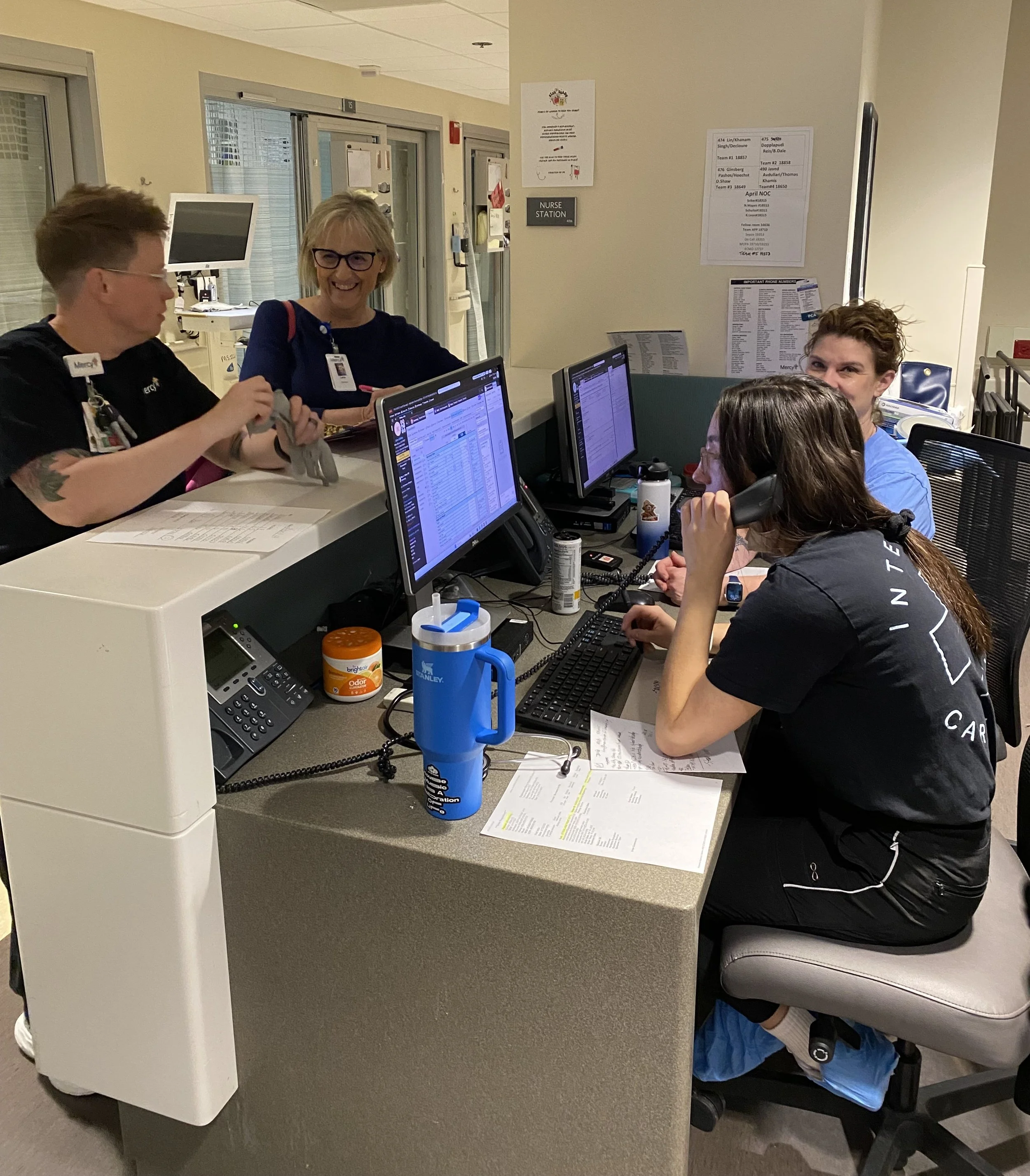
Finding your new purpose in life.
We should wake up each morning excited for the day. Will it be a peaceful day with everything going smoothly, or will we end up in the emergency room? Daily life can be draining, and lacking a purpose in life, apart from your loved one, can be harmful. A lack of purpose can negatively affect mental and physical health, as well as general wellness.
Life’s purpose is your own, leading reason for being—a key goal that provides meaning, direction, and fulfillment, often involving values, passions, and a positive contribution to something bigger than yourself, such as family, job, community, or spirituality, and it grows through your experiences. It’s motivating, helps with choices, and connects to better health, resilience, and a longer life, making life less stressful and more real.
My focus was on my husband’s health after his stroke, which was a good thing. After retiring, I gave up a lot of the activities I’d loved. The impact of not having a personal purpose was significant. But I, like many caregivers, prioritized others before myself.
I found joy in my husband’s survival of his stroke and was happy to care for him as he recovered. I know he’d do the same for me too. He would frequently apologize, saying he was a burden. To be frank, I never thought that, but I can see his point.
We should wake up each morning excited for the day. Will it be a peaceful day with everything going smoothly, or will we end up in the emergency room? Daily life can be draining, and lacking a purpose in life, apart from your loved one, can be harmful. A lack of purpose can negatively affect mental and physical health, as well as general wellness.
Life’s purpose is your own, leading reason for being—a key goal that provides meaning, direction, and fulfillment, often involving values, passions, and a positive contribution to something bigger than yourself, such as family, job, community, or spirituality, and it grows through your experiences. It’s motivating, helps with choices, and connects to better health, resilience, and a longer life, making life less stressful and more real.
My focus was on my husband’s health after his stroke, which was a good thing. After retiring, I gave up a lot of the activities I’d loved. The impact of not having a personal purpose was significant. But I, like many caregivers, prioritized others before myself.
I found joy in my husband’s survival of his stroke and was happy to care for him as he recovered. I know he’d do the same for me too. He would frequently apologize, saying he was a burden. To be frank, I never thought that, but I can see his point.
How can having a purpose positively impact your life.
My mental health has improved because I have a daily purpose. Caregiving’s daily demands can overshadow a caregiver’s personal life. It’s harmful both to you and your loved ones. It is possible that you will feel anxious, angry, or resentful. Research shows that having a purpose can decrease anxiety, reduce stress, and improve depression.
Many minor health issues developed into more serious ones. I also failed to take care of my physical health. I didn’t pay any attention to my physical and medical health. Because of this neglect, I experienced elevated blood pressure, ulcers, joint pain, and weight gain from poor eating habits, stress, and lack of exercise. I quickly understood that without a purpose, I couldn’t help my husband. My heart health has improved, and I’ve developed healthy habits thanks to my new health plan.
In the beginning, my primary concern was my husband’s health and safety. Each day presented either a fresh problem to fix or a hospital visit. It was never a good occurrence, but hardships or negativity. It didn’t take long for me to see that I was becoming negative, which I disliked. The situation was just normal post-stroke, and I knew I had no power to change it. The only thing I could control was my response. I have always wanted to be an advocate for caregivers and to educate healthcare providers. Discovering my purpose in life improved my ability to deal with challenges and setbacks. Support and guidance came from working with other caregivers, and I didn’t feel alone.
My life’s purpose has enhanced my well-being, vitality, happiness, and patience.
How do you determine your life’s purpose?
It’s easy for some, what they always wanted, with the skills to do it. Gardening would be a good example. Wanting a perfect yard of flowers, you learn to design, read, and then plan. Come springtime, you will enjoy the outcomes of your work. I enjoy gardening; however, you should know that it needs weeding and maintenance. Whether it’s big or small, your life’s purpose is what brings you joy and gets you out of bed each day.
Most individuals need some thought and testing. I appreciate working with people experiencing hardship. Yet, what’s the implementation, and how can I do this and care for my husband? Now is the time to decide what’s important to you and brings the most joy as a caregiver.
After some research and my own self-discovery, I have found looking at the following four categories helped me.
1. Strengths and passions: What are you good at? What activities make you lose track of time? What makes you happy while you are in the process of doing it?
2. Values: What really matters to you? What principles guide you?
3. Past Experiences: Review your past. What were challenges and how you overcame them. What made you feel alive?
4. Ask Questions: What is something you frequently share with friends that you would like to change? What is something others comment on that you excel at?
I have faith that once you find yourself in your life purpose, your life will change for the better.
How I can help you
As a care advocate, I’m available to other caregivers for consultations on various topics. Frequently, it’s a practical question, yet the real value is my consultation on your present and future aspirations. My healthcare background and caregiving experience are my strengths. Many people shared “I Get It.”
If you would like to arrange a consultation, either email lana@strokeandthespouse.com or go to my website www.strokecaregiverconnectrion.com and connect with me.
How do I take a safe, guilt-free break from my loved one’s care?
My sister and I out taking a break!
Being the primary caregiver is difficult, and others don’t always recognize it. The question that always comes up is, how can I balance my needs with my loved ones? Can I take time away without feeling guilty? Could someone else give them the same care? If I get away, how do I keep them safe?
Someone you care about has experienced a life-threatening illness; in my case, my husband experienced a stroke. Although he is recovering at this time, my journey as caregiver began that day. The caregiving journey is unique for everyone, but one thing that spans across all caregivers is the need for respite, time away, and knowing that they have someone who can provide care in their absence.
The initial, crucial step is to identify someone you both trust to step in while you are away. This might be a grown child, a relative, a companion, or a service. Without the right tools, stepping in as backup can be frightening. Once you’ve found your backup, you can start feeling guilt-free about needing time. Proper planning is the foundation of a successful time away. “Plan for the worst and hope for the best”
Being the primary caregiver is difficult, and others don’t always recognize it. The question that
always comes up is, how can I balance my needs with my loved ones? Can I take time away
without feeling guilty? Could someone else give them the same care? If I get away, how do I
keep them safe?
Someone you care about has experienced a life-threatening illness; in my case, my husband
experienced a stroke. Although he is recovering at this time, my journey as caregiver began that
day. The caregiving journey is unique for everyone, but one thing that spans across all caregivers
is the need for respite, time away, and knowing that they have someone who can provide care in
their absence.
The initial, crucial step is to identify someone you both trust to step in while you are away. This
might be a grown child, a relative, a companion, or a service. Without the right tools, stepping in
as backup can be frightening.
Once you’ve found your backup, you can start feeling guilt-free about needing time. Proper
planning is the foundation of a successful time away. “Plan for the worst and hope for the best”
is my guiding principle. It has helped caregivers feel more confident about their backup systems.
A plan of care is the usual name for the time-away plan. A simple way to give people
information covering the loved ones’ requirements.
Include in the Plan of Care, but not limited to:
Provide your loved ones’ details and your contact information.
A copy of their medical cards, doctors, and hospitals.
Should you be unreachable, your healthcare proxy can make health care decisions, as allowed
by legal documents. Your requests need review, and the care supporter must reach out. This
mostly comes up concerning life or death and choosing “Do Not Resuscitate”.
Medical History: A list of medical conditions and their onset dates.
Medication details and administration times. Add specific instructions, like when to postpone
taking medicine. There must be sufficient medicine available.
Give a rundown of a regular day. List of favorite foods, activities, and times of sleep.
How to cope successfully with daily struggles. For instance, anger, tips for providing proper
nutrition (what they will eat), or things that they may try that are not safe.
When to call the MD office versus calling 911 or going to the ER
Support Network
Your support network might include a few people when you identify it. Rest is essential for a
healthy, refreshed return to your ongoing care responsibilities. This is the moment for the
primary caregiver to ask for help, even if it’s difficult. A meeting with those who offer backup
care is my recommendation. This is difficult because of the primary caregiver’s sense of
responsibility and reluctance to impose. Be direct and candid with others. I’ve discovered that
this can make for a more productive chat and bring new solutions.
A few ideas of what needs to be discussed:
Share any new information about their progress. Make sure you explain your request and
show your appreciation for their willingness to help.
Review the care plan and discuss it together. The support person’s input can often
improve the quality of care.
Put forth the question. What they can do and when they’re available. You might have multiple
replacements while you’re gone. As long as communication exists, this will work.
Carry out the plan. Organize your time off. This could be a day trip, or perhaps a week-long trip. Taking care of yourself matters more than your activities or destinations.
Instruct your support person to send a simple daily text–a thumbs up–to show everything’s okay. Avoid calling often or trying to return sooner. It’s time to reorganize and rejuvenate.
I’ve learned that support caregivers enjoy covering shifts. They spend quality time with their
loved ones and believe they’re helping the person providing care. Never refuse someone the
chance to give.
Stroke and the Caregiver, a resource for those suddenly assuming the role of caregiver. We carry
a myriad of responsibilities and no time or strength to step back and really handle the situation
before us. So why would you want to travel with me? My three decades of experience as a
caregiver, nurse, and case manager have enabled me to support many patients and families in
returning home after a health crisis. Now it has happened to me, on the other side of the
healthcare team, the family member. I am travelling on this journey with you, as a health
professional and a fellow caregiver.
Website:
Stroke Caregiver Connection
Joys of Caregiving
We’ve adapted to this new chapter four years after Rick’s stroke. We all have bad days, no question. In my blog posts and articles, I give voice to caregivers and care partners, as well as sharing my story. Caregivers face many challenges and are looking for support and tips to help them navigate. But it is equally important for them to know that caregiving includes joy too. I want to share some positive aspects of caregiving this week.
Time with your loved one
You were uncertain about their survival after the stroke. Despite life’s changes, you now have the extra time you weren’t expecting. You can now share and act on thoughts you never thought you could. You find joy in every day you have with your loved one.
We’ve adapted to this new chapter four years after Rick’s stroke. We all have bad days, no question. In my blog posts and articles, I give voice to caregivers and care partners, as well as sharing my story. Caregivers face many challenges and are looking for support and tips to help them navigate. But it is equally important for them to know that caregiving includes joy too. I want to share some positive aspects of caregiving this week.
Time with your loved one
You were uncertain about their survival after the stroke. Despite life’s changes, you now have the extra time you weren’t expecting. You can now share and act on thoughts you never thought you could. You find joy in every day you have with your loved one.
Celebration of the small things in life.
In the past, I used to get upset by things that weren’t important. He skipped chores: no clothes pickup, no dishes, no evening plan. A health crisis shifts priorities, focusing on minor victories over daily routines. Big changes result from a series of small successes.
Focus on the present.
So many of us, including me, look to the future. “When this happens, I will be happy.” When a medical crisis occurs, you look only at the present, at what is happening now. Post crisis, I learned that focusing on the present, what today brings, allows you to enjoy life’s small joys. Worry doesn’t change what’s coming, but joy makes now better.
Spiritual Growth
It’s simple to practice your faith when things are good. We’ve all offered “I’ll pray for you” when others struggled; now you and yours need prayers. At the peak of the medical crisis, I was extremely angry at God and distanced myself. He never abandoned me. With God’s presence, we found peace, learned about suffering, and gained a joyful support group. Deeper connections bring happiness.
Having a purpose
Everyone needs to feel like their life has meaning. That they are contributing to the better good of others – this brings joy to our lives. Being a caregiver or Care Partner can be a very challenging role but also filled with joy and purpose. Helping someone with love and compassion improves their life and yours. If you weren’t here, what would happen to your loved one? Where would you be without their presence in your life?
Laugh at the challenges
Humor and laughter provide numerous health benefits for both of you. Stress relief improved immune function and enhanced mental health. When caring for another, there are times when both of you just laugh at the absurdity of your new life. From the outside, it may seem like gallows humor, but it is what keeps you and your loved one grounded on the day. We frequently joke, “You can’t use the stroke card today” or he will use his stroke as a joke when uncomfortable. Laughter is the best medicine.
Skills, you didn’t know you possessed.
As I talk to so many new caregivers, I frequently hear, no way can I care for my loved one. I am not a nurse, and then there is joy on their faces when they learn the needed skill. Life is funny. No matter how much we plan, when that changes, we find an inner strength to learn and master. Experiencing the joy of accomplishment and helping others changes everything. In a crisis, we all feel helpless, just watching. However, we can make a difference with our new skills.
New friends at support groups
This is a group nobody wants to join, yet they’ll save you when necessary. Finding joy in shared experiences, tears, and laughter with others. I’m often told that it helps to talk to someone who understands, and when I depart, they’re smiling, not feeling isolated.
Bringing families and friends closer
Time moves swiftly; before you realize it, dinner plans are old news. Your loved one experiences the same thing. It’s joyful to take part in normal daily activities. The importance of family grows during holidays and regular days. After fearing loss, you can now enjoy time you thought you’d never have. Joy stems from celebrating every day as if it were your last; it’s true.
I am available to be your sounding board. Thank you for visiting the blog because when we support each other, life can be easier.
My new book “Stroke and the Caregiver” is now available on Amazon. Each chapter provides additional tips and support.
Feeling isolated as a caregiver - you are not alone!
The other evening as I was paging thru social media and seeing all of the support for stroke survivors, I was pleased this is happening but it also brought back that the caregivers/care partners of the survivors have very limited support. Being the caregiver or care partner is very isolating and not much is written about this or posted on social media. This week, let’s tackle isolation. I will cover what it is, how it feels and some strategies that I have learned along the way.
What do I mean when I share that caregivers/care partners can feel isolated?
Caregiver/Care Partner isolation stems from providing care for your loved one post stroke. Your focus is solely on their care and making sure that they are in a safe and healthy environment. Before you know it, the days turn to weeks, weeks to months and you find a year has past and you have not been out and about socially.
Caregiver isolation is when you withdrawal from your usual habits, have a lack of support or limited social interactions which can lead to loneliness and depression. It is not something that you plan but the life change post stroke has required that you make adjustments.
The other evening as I was paging thru social media and seeing all of the support for stroke survivors, I was pleased this is happening but it also brought back that the caregivers/care partners of the survivors have very limited support. Being the caregiver or care partner is very isolating and not much is written about this or posted on social media. This week, let’s tackle isolation. I will cover what it is, how it feels and some strategies that I have learned along the way.
What do I mean when I share that caregivers/care partners can feel isolated?
Caregiver/Care Partner isolation stems from providing care for your loved one post stroke. Your focus is solely on their care and making sure that they are in a safe and healthy environment. Before you know it, the days turn to weeks, weeks to months and you find a year has past and you have not been out and about socially.
Caregiver isolation is when you withdrawal from your usual habits, have a lack of support or limited social interactions which can lead to loneliness and depression. It is not something that you plan but the life change post stroke has required that you make adjustments.
Why it happens?
As I have experienced and many of the caregivers/care partners have shared it happens slowly. “It sneaks up on you and one day you are at home and feel lonely and depressed due to isolation” Isolation can be caused by many things but the following four seem most common.
Responsibility for your loved ones care
As with all chronic conditions, each individual has a different level of care needed but no matter the need the caregiver/care partner feels the responsibility for the care. Trust me, we are not martyrs, we love these individuals and are thrilled they are still in our lives but it is a life change.
You can plan your week but there is no guarantee that is how it will go. After several failed attempts to care for yourself, you tend to give up and accept your isolation. Many have shared, their big outings is to the MD office.
Your loved feels that they are a burden and in some ways that is true but the reality is that as caregivers, we would do anything to help them because we know that they would for us.
Loved one can not be left alone
Based on the severity and limitations regarding the stroke will determine if they can be independent and their level of independence. With both physical and mental limitations, a plan needs to be developed so that caregiver/Care Partner is able to get away. Providing 24 hour care 7 days a week is too much for anyone. That is why, we has health care workers, have shifts.
The isolation occurs because you can not safely leave them alone. As with your loved one, you also don’t want to be a burden on others. As the primary caregiver/partner you understand their needs, have a routine and fear what could happen if you are not available.
Luckily, my husbands limitations are not physical so he is able to be more independent. The limitation we live with is more behavioral changes, poor memory, unable to remember or do typical task around the house or not really an active participant in life. Other caregivers/partners have share the same issue and feel isolation because they have lost the person they were before.
Feeling guilty that your loved one can not participate
Many of the social and physical activities that you both enjoyed together has changed. For us, dining out is no longer a fun outing. Due to his stroke he no longer enjoys food as it taste bad. Spending time with friends is a challenge because the conversation moves to fast, he no longer can quickly recall information and he is embarrassed by this changes. Apathy prevents him from wanting to try new things, take an adventure, or think of activities we would enjoy. Lastly, touch is difficult, due to his balance issues, holding hands while walking, is not safe or comfortable for him.
I get what you are feeling. When planning events, you want to include your loved but knowing they would not enjoy prevents you from participating. Non caregivers have shared “Go out and travel alone, if he is not able” The point is that I miss not being with him, so I would rather stay home”
The fatigue associated with travel or going out
Your loved one is better to the point were you can travel or go out but the work and fatigue for you is overwhelming. The relationship is no longer 50/50, where each person has their roles but you alone must do it all - plan, pack, finances, and prepare for any medical issues. Although, I love to travel, I also need to weight the cost to me for the trip.
The fatigue is not just the physical but also the mental. You are doing this alone. Worried that their will be an issue, that your loved one will not enjoy or be able to handle, and missing out on adventures, you hoped to take.
The stroke survivor is not the person they were pre stroke
Even though you are never alone - you are lonely. Friends and family don’t always think about the need to reach out, Not because they don’t care but they know your loved one’s limitations and that he/she may not enjoy. I love when I get a call to come over, have lunch, or join us for a fun event.
Learning who this “new” person is and how they click takes time. They can retreat from life, become distant and communicate less. Learning what they enjoy that both of you can participate in. And lastly, being able to let go of the past as well as your future plans that you had.
So how do we handle this uncertainty? What is the secret tip that we need to know? or when will your life ever feel “normal” ? I laugh at the word “Normal” = What is NORMAL???? I really don’t think anyone has the cure for us but I can share what has helped.
What strategies can help me feel less isolated?
Talk to someone who gets it.
I shared this a few months ago but it deserves repeating. The feelings we have are not easy to share. I know I feel petty or ungrateful that he is doing well and I am sad. Embarrassed because the situation could be so much worse. After all, they had the life changing event, which they have no control over.
When I talk with others in the same situation, I feel relief. Not that we have fixed anything but you no longer feel alone, honestly share without feeling like a “bad” person, laughing at the situation, praying for support together, or sitting in silence. Life expectations is a luxury and unrealistic. The truth - Enjoy the moment, let go of the expectations and hold on to what is for today.
Share with family and friends how life has changed and how they can help.
I will be honest, this is the hardest step for me, I don’t want to be that “negative” person or a burden. So for me this is a work in progress. Caregivers/Care Partners have shared that this step has made a big difference. Friends and family are very willing to help, provide solutions that you had not thought of and be a sounding board. Don’t follow my lead - step out!
Wake to a personal purpose each day
No one plans to be a caregiver/Care Partner until that moment when life changes and here you are. Think about what gave you purpose and joy prior to your loved ones stroke and what areas can you tap into. For me, I love helping individuals going through a difficult time (Caregiver from birth) and that is why I became a nurse. Post stroke, I realized that I still had something to give back, although I needed to retire, I found my purpose with my books and Stroke Caregiver Connection”
I takes time to find your new purpose or to dust off an old purpose that you had wanted but never did. I know you can do this - I didn’t think I could but I did and it truly helps the feeling of alone and isolated.
I am available to be your sounding board. Thank you for visiting the blog because when we support each other, life can be easier.
My new book “Stroke and the Caregiver” is now available on Amazon. Each chapter provides additional tips and support.
The exhaustion of being on pins and needles?
This week on my visits with other stroke survivor caregivers, I noticed the emotional exhaustion of being on pins and needles waiting for the next issue to arise? It is never a matter of will it arise but rather when and how severe. I was with a gentleman that shared, “I thought I was finally at a place where we were moving forward and she had a second stroke. When will I be able to fully catch my breath? I can’t seem to prevent issues.” His comment caused me to freeze in my tracks. I had just had the same thought a couple weeks prior when my husband developed a cardiac issue requiring follow up.
How do I handle the medical uncertainty of their ongoing medical issues? Do I have days that I just want to scream? Am I continually surprised when a setback occurs? Do I hold it all in so that I don’t burden others? And last, Do I get so emotional tired that I just want to throw in the towel?
The answer is some issues I handle well and others not so well. The one word answer to the other above questions….YES!
This week on my visits with other stroke survivor caregivers, I noticed the emotional exhaustion of being on pins and needles waiting for the next issue to arise? It is never a matter of will it arise but rather when and how severe. I was with a gentleman that shared, “I thought I was finally at a place where we were moving forward and she had a second stroke. When will I be able to fully catch my breath? I can’t seem to prevent issues.” His comment caused me to freeze in my tracks. I had just had the same thought a couple weeks prior when my husband developed a cardiac issue requiring follow up.
How do I handle the medical uncertainty of their ongoing medical issues? Do I have days that I just want to scream? Am I continually surprised when a setback occurs? Do I hold it all in so that I don’t burden others? And last, Do I get so emotional tired that I just want to throw in the towel?
The answer is some issues I handle well and others not so well. The one word answer to the other above questions….YES!
Like you, I love my husband and want the best for him at all times. This is never the question. The question is how much can I handle and how can I continue to handle long term?
Literature shares information on Caregiver Fatigue or Burnout but this is different. Yes you may feel fatigue and burnout from time to time but this is an overwhelming dread of your future with your loved one. The relationship has changed. I hold on to those moments of laughter, wellness and companionship. Like you, I know that these moments will not last forever.
What causes this feeling of dread for the future…
Frequent medical issues for your loved one. Doing everything you can to maintain health and yet issues arise out of your control. Worse, your loved one not doing the things to keep themselves healthy.
Unrealistic Expectations: Believing they can single-handedly manage all aspects of their spouse's care or having unrealistic expectations about their spouse's health. The stroke survivor wants to be independent, healthy and their old self.
Lack of Control: Feeling overwhelmed by the uncertainty of future medical issues and lacking resources, time, or energy.
Social Isolation: Losing connections with friends and family due to the demands of how your loved one feels or is doing that particular day. Isolation is a common defense mechanism for them but challenging for us. Whenever my husband participates in an activity outside the home - I know that the next 24-48 hours will be lonely. He will need to sleep and shuts down all communication. I love when he has outings but sometimes the price paid is hard.
Emotional Distress: Dealing with the emotional challenges of witnessing a spouse's decline, experiencing grief, and facing conflicting emotions like love and resentment.
So how do we handle this uncertainty? What is the secret tip that we need to know? or when will your life ever feel “normal” ? I laugh at the word “Normal” = What is NORMAL???? I really don’t think anyone has the cure for us but I can share what has helped.
Talk to someone who gets it. The feelings we have are not easy to share. I know I feel petty or ungrateful that he is doing well and I am sad. Embarrassed because the situation could be so much worse. After all, they had the life changing event, which they have no control over.
When I talk with others in the same situation, I feel relief. Not that we have fixed anything but you no longer feel alone, honestly share without feeling like a “bad” person, laughing at the situation, praying for support together, or sitting in silence. Life expectations is a luxury and unrealistic. The truth - Enjoy the moment, let go of the expectations and hold on to what is for today.
I am available to be your sounding board. Visit www.strokecaregiverconnection.com to connect.
Thank you for visiting the blog because when we support each other, life can be easier.
My new book “Stroke and the Caregiver” is now available on Amazon. Each chapter provides additional tips and support.
Thank you for your time and welcome