
Blog
Scroll down to view all posts, or view our archive to view blog post titles over time.
Accepting your Stroke Survivor’s limitations
Yesterday, marked our three-anniversary post stroke. Each year, I look at the progress made and our ongoing challenges. I still hold out hope that we will be back to our pre-stroke life. Afterall, so many will share wonderful stories of those much worse that are doing better than before. Hmmmm! Not sure if I believe those anymore, I know they are shared to give us hope, but reality is so much different. At some point, we as caregivers need to accept the life change and the limitations of the Stroke Survivor.
This is much easier said than done – I know, I struggle daily with acceptance. For me, the moment of realization was at the yearly neurological exam. It went well but as I started to discuss the challenges, the doctor gently explained that the limitations and changes post stroke were now long term and that the focus should be not on improvement but rather management. Although this was hard to hear, it was exactly what I needed.
What is this new phase and how do we manage it? This week, I will explore this phase and share some information and tips on how to better manage your day to day. Please share in comments your experiences and what worked for you. We are all navigating this journey together.
Yesterday, marked our three-anniversary post stroke. Each year, I look at the progress made and our ongoing challenges. I still hold out hope that we will be back to our pre-stroke life. Afterall, so many will share wonderful stories of those much worse that are doing better than before. Hmmmm! Not sure if I believe those anymore, I know they are shared to give us hope, but reality is so much different. At some point, we as caregivers need to accept the life change and the limitations of the Stroke Survivor.
This is much easier said than done – I know, I struggle daily with acceptance. For me, the moment of realization was at the yearly neurological exam. It went well but as I started to discuss the challenges, the doctor gently explained that the limitations and changes post stroke were now long term and that the focus should be not on improvement but rather management. Although this was hard to hear, it was exactly what I needed.
What is this new phase and how do we manage it? This week, I will explore this phase and share some information and tips on how to better manage your day to day. Please share in comments your experiences and what worked for you. We are all navigating this journey together.
Caregiver Stage: Realization and Acceptance
Not only did I need to embrace this new norm but so did my loved one. Together, we are working through the change. Again, it isn’t like a light switch that you turn on and AHA, you are accepting. Many tears and conversations take place but eventually you will get to a place of acceptance.
The key to my sanity was not to expect him to do the things that he easily did pre- stroke but accept what he could do now. I needed to find safe activities or household tasks that he could and wanted to do. I wanted him to be safe, but also needed to maintain his level of dignity and independence. Please order below: “Stroke and the Spouse” Book for additional information and support.
Refusal to accept limitations.
This is one of the biggest issues that we need to deal with. He refused to acknowledge his limitations and would put himself in unsafe situations. This led to many arguments and frustration.
o Potential unsafe situations: Shoveling snow, going for a walk alone, cooking on the stove, and not using his phone–uncharged, on silent, losing it or not checking texts or messages.
What can be done:
This needs to be addressed head on. Together, it needs to be decided what is safe. What I found was that I overreacted to safety needs, and he underreacted. Key points for this discussion:
o Honest assessment by both parties of what can be done safely. This is an excellent discussion to have with your healthcare provider who can help to set expectations.
o Fears about safety. Be sure to express how his health also affected your life (as the caregiver/spouse) and that unsafe activities could result in a larger impact on both of your lives.
o Your role as the caregiver (not the parent).
o NOTE: Expect anger and resentment from your loved one. This may hurt your feelings but try to keep in mind that they are angry at life and not you.
What helped me?
Everyone deals with accepting limitations and handles it differently. Speak with your healthcare provider about the best course of action for you. There is no right, or wrong way and you will find yourself fully accepting one day and the next you are right back at the beginning. This is normal and you are not alone.
What helped me…
Identified and then allowed myself time to grieve and adjust to our new situation
Began to build a life that nourished me. It is not selfish to nurture yourself and take care of your health and well-being
I had to let go of “what I think life should be” and accept “the reality of life”
Identify an action each day that supports your new life. Somedays, it is walking away when the limitations presented and then recommitting to the new way of being.
Focus on the present and what you both can do, rather than what you can't.
Ask for support from your family, friends, or professionals.
For more information on what worked for us, check out “Stroke and the Spouse” available on Amazon or follow the code below to purchase.
Stroke Caregiver Connection…Because you care!

Order “Stroke and the Spouse” to learn more.
What is a support group and how do I find one?
After my husband’s stroke, all I heard was “You need to join a support group.” I agreed but had a very difficult time finding caregiver support versus a group for the stroke survivors. I looked high and low and still had problems finding support. This week’s blog will cover what a support group can provide, how to find one and a list of support groups that I have reviewed.
Would a support group help me?
Like you, I wondered what a support group could provide. My day was already so busy, how would I fit this in. When planning the day, the caregiver has limited “ME” time. As I researched and spoke at a few support groups, I quickly became convinced that this is time well spent. The good news is that the caregiver support group can meet at the same time as the Stroke survivor support group. You each have an hour with your peers.
After my husband’s stroke, all I heard was “You need to join a support group.” I agreed but had a very difficult time finding caregiver support versus a group for the stroke survivors. I looked high and low and still had problems finding support. This week’s blog will cover what a support group can provide, how to find one and a list of support groups that I have reviewed.
Would a support group help me?
Like you, I wondered what a support group could provide. My day was already so busy, how would I fit this in. When planning the day, the caregiver has limited “ME” time. As I researched and spoke at a few support groups, I quickly became convinced that this is time well spent. The good news is that the caregiver support group can meet at the same time as the Stroke survivor support group. You each have an hour with your peers.
Benefits:
· The primary benefit for me was to talk to others that “get it”
· Share stories and laughter at the stories of caregiving
· To share, be angry and cry with others that are in your shoes and understand
· New friendships
· Bring a problem and someone in the group has already experience and can give tips
Sharing and listening reduced distress, depression, anxiety or fatigue
Kept me motivated to manage or stick to treatment plans
Improving understanding of a disease and your own experience with it
How to find a support group:
Start at the hospital or Rehab center. The Stroke Coordinator is a great resource and can share what is available for your needs.
Google the following - stroke caregiver support groups near me. There are many choices for stroke survivors but few for the caregivers. Don’t despair.
Make a list of 3-4 that look promising and call the group to find out if that group also has a caregiver support group.
When at rehab or at the MD office, ask others for suggestions and if they belong to a group.
I am excited to share, that Mercy Hospital in St. Louis has asked me to round weekly with the Stroke Coordinator so that I can share with the caregiver.
Caregiver Support Groups that I recommend.
Finding the right group takes some trial and error. You need to determine if the group is a good fit. We all have been there, don’t worry about leaving a group to go to another. We all support each other. There are three types of support groups: in person, Facebook, and virtual. I will provide choices for all 3. If you know a great group and would like to add, please share in the comments. The support groups are also on the website.
In Person Stroke Support Groups (St. Louis Region)
Life After Stroke support group
CONTACT:
Audra Sturmoski PT, MSPT, CBIS
Patient Assessments Standards Coordinator
Stroke Program Coordinator
314 658-3802 | audra.sturmoski@encompasshealth.com
The Rehabilitation Institute of St. Louis
An Affiliation of BJC HealthCare and Encompass Health
Central West End: 4455 Duncan Avenue, St. Louis, MO, 63110
St. Peters: 10 Hospital Drive, St. Peters, MO, 63376
Mercy Hospital South Caregiver Support Group
CONTACT:
Geri Tyrey, CTRS
Therapeutic Recreation
Acute Rehab
10114 Kennerly Road | St. Louis, MO 63128
Office: 314-948-2060 | Mobile: 314-948-2219
Miracles in Progress Stroke Support Group
CONTACT:
Julie Luesse, MSN, RN, SCRN
Stroke Program Manager
Stroke Center
Mercy
615 S. New Ballas Road | St. Louis, MO. 63141
Office: 314.251.7262 | Zebra: 314.251.9292 l Pager: 314.509.1238
Virtual Stroke Support Groups
As an advocate for Caregivers, a new virtual group will start in July. Please click on the Virtual Support button on the navigation bar.
Caregivers have joined the Facebook site: Stroke and the Spouse Caregivers. This site is private and dedicated to all caregivers, NOT JUST SPOUSES.
(20+) Stroke and the Spouse Caregiver | Facebook
Caregivers follow the website to learn more about support groups and new groups that I learn about.
For more information on what worked for us, check out “Stroke and the Spouse” available on Amazon or follow the code below to purchase.
Stroke Caregiver Connection…Because you care!
For more information on what worked for us, check out “Stroke and the Spouse” available on Amazon or follow the code below to purchase.
Stroke Caregiver Connection…Because you care!

Order “Stroke and the Spouse” to learn more.
Laughter and the Caregiver/ Care Partner
There are days and situations a caregiver experiences that we can either cry or laugh. I have tears but I am working to find the humor in our everyday life. I think you all can relate, one evening I was sitting outside and had just had one of those days. My spouse came out to sit with me. I started to share how I was feeling, he listened intently, and due to his apathy post stroke, he shared “OK, I am cold I need to go in now” At that moment, I had to chose to laugh or I would have cried all evening.
In several blogs, I have pulled information from the Mayo Clinic. I have found this site to be user-friendly, accurate, and helpful tips for caregivers. For more in- depth information, follow this link: therapeutic effects of laughter and stress - Search (bing.com)
There are days and situations a caregiver experiences that we can either cry or laugh. I have tears but I am working to find the humor in our everyday life. I think you all can relate, one evening I was sitting outside and had just had one of those days. My spouse came out to sit with me. I started to share how I was feeling, he listened intently, and due to his apathy post stroke, he shared “OK, I am cold I need to go in now” At that moment, I had to choose to laugh or I would have cried all evening.
In several blogs, I have pulled information from the Mayo Clinic. I have found this site to be user-friendly, accurate, and helpful tips for caregivers. For more in-depth information, follow this link: therapeutic effects of laughter and stress - Search (bing.com)
The Mayo Clinic shared the following:
Stress relief from laughter
A good sense of humor can't cure all ailments, but data is mounting about the positive things laughter can do.
Short-term benefits
A good laugh has great short-term effects. When you start to laugh, it doesn't just lighten your load mentally, it actually induces physical changes in your body. Laughter can:
· Stimulate many organs. Laughter enhances your intake of oxygen-rich air, stimulates your heart, lungs and muscles, and increases the endorphins that are released by your brain.
· Activate and relieve your stress response. A rollicking laugh fires up and then cools down your stress response, and it can increase and then decrease your heart rate and blood pressure. The result? A good, relaxed feeling.
· Soothe tension. Laughter can also stimulate circulation and aid muscle relaxation, both of which can help reduce some of the physical symptoms of stress.
Long-term effects
Laughter isn't just a quick pick-me-up, though. It's also good for you over the long term. Laughter may:
· Improve your immune system. Negative thoughts manifest into chemical reactions that can affect your body by bringing more stress into your system and decreasing your immunity. By contrast, positive thoughts can actually release neuropeptides that help fight stress and potentially more-serious illnesses.
· Relieve pain. Laughter may ease pain by causing the body to produce its own natural painkillers.
· Increase personal satisfaction. Laughter can also make it easier to cope with difficult situations. It also helps you connect with other people.
· Improve your mood. Many people experience depression, sometimes due to chronic illnesses. Laughter can help lessen your stress, depression and anxiety and may make you feel happier. It can also improve your self-esteem.
We have shared the benefits – Now let’s laugh!

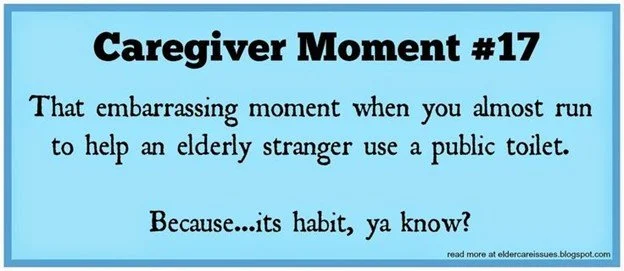
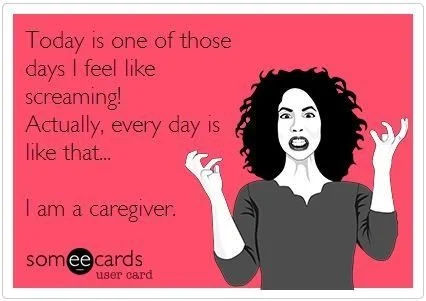
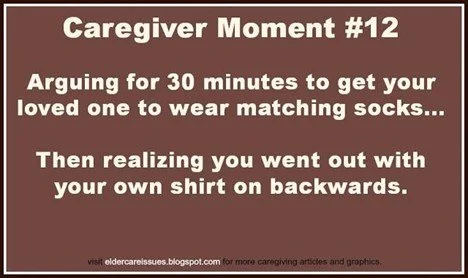
Being a caregiver can be heavy some days and I want you to know, you are not alone and to provide a few chuckles
For more information on what worked for us, check out “Stroke and the Spouse” available on Amazon or follow the code below to purchase.
Stroke Caregiver Connection…Because you care!
For more information on what worked for us, check out “Stroke and the Spouse” available on Amazon or follow the code below to purchase.
Stroke Caregiver Connection…Because you care!

Order “Stroke and the Spouse” to learn more.
Grief and the Caregiver/ Care Partner
Grief for me is an odd emotion. I associate grief with a death of a loved one. We all have experienced some form of this type of grief. The shock of the death, the funeral arrangements and the time needed to heal form the pain of losing this individual.
When a loved one experiences a stroke, both the survivor and the Caregiver experience grief. The survivor’s grief can be different than the caregivers, but both are real and painful. This week, I will only be focusing on the caregiver side of grief. Frequently, the caregiver is told you are so strong, so you hide your grief. Many times, when feeling depressed/sad, it is could very well be a symptom of the grief that you are experiencing.
When my doctor shared that I was experiencing grief, I was a little taken aback. My husband survived his stroke, and I should be grateful not sad. Yet, I was sad. As I journaled that evening, I had to list what I was grieving. Everyone’s list is different, but I am happy to share mine (hopefully that will help you)
Grief for me is an odd emotion. I associate grief with a death of a loved one. We all have experienced some form of this type of grief. The shock of the death, the funeral arrangements and the time needed to heal form the pain of losing this individual.
When a loved one experiences a stroke, both the survivor and the Caregiver experience grief. The survivor’s grief can be different than the caregivers, but both are real and painful. This week, I will only be focusing on the caregiver side of grief. Frequently, the caregiver is told you are so strong, so you hide your grief. Many times, when feeling depressed/sad, it is could very well be a symptom of the grief that you are experiencing.
When my doctor shared that I was experiencing grief, I was a little taken aback. My husband survived his stroke, and I should be grateful not sad. Yet, I was sad. As I journaled that evening, I had to list what I was grieving. Everyone’s list is different, but I am happy to share mine (hopefully that will help you)
My marriage has changed and the plans we had for our future dramatically ended.
Retired from my career that I enjoyed.
My spiritual life was on the rocks.
Not being able to share life responsibilities with my spouse.
My health was neglected, and I did not take proper care of myself.
A social life together.
What is grief and how does it present?
Grief is the anguish experienced after a sudden loss. Sadness and depression are the most common symptoms of grief. You may find it hard to think about the future or feel hopeless. Physical signs are trouble sleeping (too little or too much), headaches, digestive problems, and unhealthy coping mechanisms (food or alcohol)
The feeling of grief can be different daily.
Grief tends to wax and wane. When my husband is having a good day, I experience joy and hope. On those bad days, the emotions are harder to deal with.
“Stroke and the Spouse” identifies and reviews the stages that caregiver experiences. I will provide a brief description but please refer to the book for more information.
The caregiver is the sole survivor of the stroke and needs to take on both roles in the relationship. Most are familiar with the stages of grief identified by Kubler-Ross, denial, anger, bargaining, depression, and acceptance. The grief felt is the loss of your planned future and your loved ones’ abilities. Each phase is challenging, but part of the road to recovery. The stages I experienced as a caregiver were confusion, fear/anger, loneliness, depression, and realization. During the initial weeks in the hospital, I felt confusion and fear based on that day’s challenges or triumphs. In time, I realized that the goal is to identify where you are and to embrace that stage.
Caregiver Stage: Confusion
Confusion is the initial phase for the caregiver. I was confused and unclear of the extent of the stroke and what the potential outcome could be. Each day is a rollercoaster of emotions, anger, fear, exhaustion. I was overwhelmed but wanted answers.
Caregiver Stage: Fear and Anger
Fear and anger were the stage when I understood what had happened, but I now begin to worry and think “How can I handle this?” During this phase, the caregiver handles every aspect of their loved one’s life, making all the decisions alone. All the “what ifs” will rear their ugly heads. What if he dies? What if he survives? And how can I ever live without this person?
During this time, I was still in the stage of fear and anger. Moving through the stages is not linear, nor is it receptive to time. You will find you will move from stage to stage depending on the day and what is happening. Not knowing what to expect from day to day is normal and the best advice is to accept where you are at.
Once home, I thought we would get back to normal, but once home I soon realized that would not be the case. I was still angry and fearful but the predominate feeling was hopelessness.
Caregiver Stage: Loneliness and Depression
I had always thought of loneliness as sadness due to lack of friends or company. So, how could I experience loneliness when surrounded by family, friends, and healthcare providers for many weeks and now home with Rick daily. I learned being lonely, while never alone, is a unique type of loneliness. The entire world is flying past you with the typical day-to-day issues you thought were so important until life priorities changed. No longer did I care if he remembered a task that I had asked him to do a million times, or that he was not as attentive as other spouses seemed to be. He was my world, and I was losing him.
Caregiver Stage: Realization
More and more days were hopeful for me and less were filled with depression and loneliness, this is when I finally came to terms with the life we will now have. The stroke was devastating for both of us and after a year, Rick’s recovery had plateaued. Over a period of about three months, we both became aware that his physical and cognitive limitations were not improving and that we were beginning to adapt our lives around those. The realization of what our future would hold happened for me at the one-year follow-up medical appointment.
When the doctor shared, “He is progressing slowly, but he is moving in the right direction. I can see so much improvement from last year.” The confirmation from a medical professional that we were no longer taking steps backward provided comfort to us. We understood that improvements could happen beyond this point, but the likelihood that they would was low. The effects of the stroke and the changes in his overall health still needed to be addressed, but I no longer felt hopeless. I started to believe that we could work through any upcoming challenges.
That evening, I took some time alone to discern what our future will look like and how I could handle this long term. My new role as his caregiver was no longer temporary but full-time. What would our marriage be like? Did I have the fortitude to handle this change? What support would be available? How can we flourish in this new life versus wither away?
What helps?
Everyone deals with grief and handles it differently. Speak with your healthcare provider about the best course of action for you.
What helped me…
Acknowledging the emotion as grief and why I felt that way. Once I named it I could move forward
Speaking with a therapist and learning better skills for dealing with grief
Spoke with my doctor and determined that antidepressants would be beneficial for my treatment.
Started an exercise program (This is the hardest step)
Joined groups for support.
Journaled and wrote the book “Stroke and the Spouse” and started the website (LOL!!! You DO NOT need to write a book, that is just what helped me)
For more information on what worked for us, check out “Stroke and the Spouse” available on Amazon or follow the code below to purchase.
For more information on what worked for us, check out “Stroke and the Spouse” available on Amazon or follow the code below to purchase.
Stroke Caregiver Connection…Because you care!

Order “Stroke and the Spouse” to learn more.
Stroke Caregiver Connection…Because you care!
Desperate for a full night of sleep?
I am awake at 3:30am unable to sleep, tossing and turning and thought this is a good blog topic because I am sure that I am not alone. Part of poor sleep is being older, but the sleep issues started post stroke. For so long, I was on high alert at night fearful that my loved one needed me and to keep him safe. I hear every little noise and squeak and then need to investigate. This sleep pattern brings back those days with a new infant. What can the Care Partner/caregiver do? How can I get a good night’s sleep? Am I making it worse by taking a nap in the afternoon?
Let me share my search for a good night’s sleep.
I am awake at 3:30am unable to sleep, tossing and turning and thought this is a good blog topic because I am sure that I am not alone. Part of poor sleep is being older, but the sleep issues started post stroke. For so long, I was on high alert at night fearful that my loved one needed me and to keep him safe. I hear every little noise and squeak and then need to investigate. This sleep pattern brings back those days with a new infant. What can the Care Partner/caregiver do? How can I get a good night’s sleep? Am I making it worse by taking a nap in the afternoon?
Let me share my search for a good night’s sleep.
What is causing me not to sleep?
Poor sleep quality can be caused by:
1. Poor sleep habits – such as an irregular sleep schedule
2. Too much caffeine or alcohol - especially after 7pm
3. Stress and anxiety.
4. Sleep apnea.
5. Undiagnosed sleep disorder
The first three are the devils that I deal with. How about you?
Why is sleep so important?
Lack of sleep can lead do:
1. Fatigue leads to accidents – your reaction time is slower.
2. Increase risk of developing several chronic illnesses; diabetes, stroke, heart disease, and high blood pressure to name a few.
3. Linked to depression in those who sleep less than 6 hours per night.
4. Hurts the learning process -decreases alertness and attention span.
5. Impairs judgement – limits your ability to accurately interpret events.
6. Damage to skin – puffy eyes and sallow skin.
7. Gaining weight is more likely - This is because shortening your sleep schedule increases your production of the hormone ghrelin which stimulates hunger and decreases your production of leptin which suppresses appetite. Throwing off your appetite increases the likelihood that you will overeat, which can lead to obesity over time. Studies have shown that people who sleep less than seven hours a day are 30 percent more likely to be obese than those who get nine hours of sleep or more.
8. Fatigue causes forgetfulness – When we sleep the days memories are stored and consolidated for easy access and recall. This occurs when deep in the sleep cycle. Lack of sleep can hurt long term memory.
I agree with this list, I know I am currently at my heaviest and I believe sleep issues are part of the problem.
How can I get a good night’s sleep?
I can always fall asleep with a book in my hand at the beach and sleep like a baby. Unfortunately, I can’t do that so what are my options. I like the Mayo Clinic site; the information is easy to read and very well written. Follow the link for additional information.
This is what Mayo Clinic recommends:
Stick to a sleep schedule
Set aside no more than eight hours for sleep. The recommended amount of sleep for a healthy adult is at least seven hours. Most people don't need more than eight hours in bed to be well rested.
Go to bed and get up at the same time every day, including weekends. Being consistent reinforces your body's sleep-wake cycle.
If you don't fall asleep within about 20 minutes of going to bed, leave your bedroom and do something relaxing. Read or listen to soothing music. Go back to bed when you're tired. Repeat as needed but continue to maintain your sleep schedule and wake-up time.
Pay attention to what you eat and drink.
Don't go to bed hungry or stuffed. Avoid heavy or large meals within a couple of hours of bedtime. Discomfort might keep you up.
Nicotine, caffeine, and alcohol deserve caution, too. The stimulating effects of nicotine and caffeine take hours to wear off and can interfere with sleep. And even though alcohol might make you feel sleepy at first, it can disrupt sleep later in the night.
Create a restful environment.
Keep your room cool, dark, and quiet. Exposure to light in the evenings might make it more challenging to fall asleep. Avoid prolonged use of light-emitting screens just before bedtime. Consider using room-darkening shades, earplugs, a fan, or other devices to create an environment that suits your needs.
Doing calming activities before bedtime, such as taking a bath or using relaxation techniques, might promote better sleep.
Limit daytime naps
Long daytime naps can interfere with nighttime sleep. Limit naps to no more than one hour and avoid napping late in the day.
However, if you work nights, you might need to nap late in the day before work to help make up your sleep debt.
Include physical activity in your daily routine
Regular physical activity can promote better sleep. However, avoid being active too close to bedtime.
Spending time outside every day might be helpful, too.
Manage worries.
Try to resolve your worries or concerns before bedtime. Jot down what's on your mind and then set it aside for tomorrow.
Stress management might help. Start with the basics, such as getting organized, setting priorities, and delegating tasks. Meditation also can ease anxiety.
Sleep tips: 6 steps to better sleep - Mayo Clinic
Do these recommendations work?
Like you, I am desperate to have a full night’s sleep. For the next month I will be implementing the recommendations from Mayo and will let you know the results. I hope that my attempt to better sleep will also help you.
Please comment on how you are sleeping. What works and doesn’t work?
For more information on what worked for us, check out “Stroke and the Spouse” available on Amazon or follow the code below to purchase.
Stroke Caregiver Connection…Because you care!

Order “Stroke and the Spouse” to learn more.
Stroke Caregiver Connection…Because you care!
APATHY post stroke and how to manage as a caregiver?
The stroke survivor and the caregiver need to deal with so many post stroke aspects that emotional changes may be lower on your priority list. The emotional issues can change your relationship with your loved one. After the first year, we are so happy they are alive and learning their limitations that the caregiver can overlook emotional changes. When discharged home, the health team will educate on depression but limited conversation on dealing with APATHY.
Why does my stroke survivor suffer from APATHY?
The stroke survivor and the caregiver need to deal with so many post stroke aspects that emotional changes may be lower on your priority list. The emotional issues can change your relationship with your loved one. After the first year, we are so happy they are alive and learning their limitations that the caregiver can overlook emotional changes. When discharged home, the health team will educate on depression but limited conversation on dealing with APATHY.
Why does my stroke survivor suffer from APATHY?
Upon research, I found the following study…
Int J Stroke. 2021 Jul; 16(5): 510–518.
Published online 2021 Feb 4.
Apathy after stroke: Diagnosis, mechanisms, consequences, and treatment
Jonathan Tay,1 Robin G Morris,2 and Hugh S Markus1
Apathy after stroke: Diagnosis, mechanisms, consequences, and treatment - PMC (nih.gov)
Apathy is a behavioral syndrome characterized by a loss of motivation that occurs in one-third of patients after stroke.1,2 Post-stroke patients with apathy suffer from greater functional impairment and demonstrate slower recovery times to normal functioning.3,4 Furthermore, apathy is a risk factor for incident vascular disease, dementia, and mortality.5,6 Despite high prevalence and an impact on outcomes after stroke, apathy remains poorly understood.
Not every Stroke survivor deal with APATHY post stroke but if your loved one does, here are some tips.
What does apathy look like?
Loss of Interest and Motivation in activities they normally enjoy or isolating from friends and family.
Lack of Concern for Personal Care
Difficulty Initiating and Completing Tasks
Difficulty with decision-making, planning, and goal setting
A common response the caregiver will hear is “I’m Fine” They are not really aware of how they are behaving.
Remember that apathy is a result of the stroke injury and not a deliberate choice by the survivor. If you suspect apathy in a stroke survivor, consider seeking professional evaluation and support to address this challenging symptom
What the caregiver can do?
Before you do anything, share what you are seeing with your loved one’s health provider. Provide examples, this not only helps the provider determine the best approach but allows the stroke survivor clear examples of the issue.
Based on my experience, research and talking to others, I have found the following tips.
Activity
Activity is key in our relationship. Not only physical but mental activity as well. Walking is an activity that helped the apathy and also helped him regain his confidence regarding balance issues and he can manage any issues related to falling.
Patience
Apathy is a hard side effect for the caregiver. It can be difficult to wrap your head around that they just are unable to care about life’s daily activities and it is out of their control. I know that is still a challenge for me. Be patient with your loved one.
Do not overwhelm them with choices. Pick two at the most.
Pick your battles. I would like to have deep conversations and have a plan. He would listen but it just does not always connector remembered.
You do not have to do everything. If t there is something that needs completion and your loved one is not engaged, find someone to help you.
Provide a list of things that you need done or activities that you both would enjoy. Give the list at the beginning of the month (I put it on his calendar, so it is easy to see) Only check in weekly on progress not daily.
Allow yourself to grieve the change.
The relationship between you and your loved one has changed. It is the same whether you are a spouse, significant other, child or friend. Options are available; talk to others at a support group, counseling, this website and the Facebook page “strokecaregiverconnection” or discuss with your health provider.
Therapies
Every brain response differently, it is critical that you and your health care provider are on the same page. Antidepressants have been helpful in some patients but not a cure all for apathy. Behavioral therapy can help the stroke survivor and caregiver with strategies for dealing with the apathy but remember this is due to the stroke and not something they can control.
Hope
My loved one’s stroke was three years ago. We have good days when I see him as the man I married and other days he struggles. Hold on to the good days. A great exercise I started was to list 2-3 things that I was grateful for with my stroke survivor. I also put a smiley face on the good days, you will be amazed by the number of smileys.
You can do this.
Each morning, start the day with the mantra “I am amazing, I can manage the day and I am a child of God who guides me.”
If you want to schedule one on one time with me, click on the contact page with your request and I would love to set up a time.
For more information on what worked for us, check out “Stroke and the Spouse” available on Amazon or follow the code below to purchase.
Stroke Caregiver Connection…Because you care!

Order “Stroke and the Spouse” to learn more.
Stroke Caregiver Connection…Because you care!
Summer Heat and Dehydration
The summer heat can be an issue for the Stroke Survivor. The main concern is dehydration and how that can impact the brain but other organs as well. This week, we will explore dehydration. What causes and how to treat.
May 6, 2024
WRITTEN BY LANA WILHELM
Rick’s stroke affected his taste and the ability to determine when he was hungry or thirsty. Everything tasted bad and he would go hours without eating or drinking unless I reminded him. This remains an ongoing and frustrating issue for both of us. I make a nutritious meal and he would take one or two bites and be done. I tried every recommended diet on the market with no luck.
One morning, he got out of bed a little too fast and felt dizzy. This is not uncommon; we’ve all done this, but with a stroke survivor, this is a concern. Before I could slow him down, he lost his balance and fell to the floor. He gathered himself and refused to call the MD. Although he wasn’t injured, I was concerned. Later that day, he again lost his balance and felt woozy.
I immediately checked his blood pressure which was low, and a common cause of falls and dehydration. Our physician directed us to the emergency room for evaluation. An episode of dehydration can mimic a stroke when a person exhibits confusion and falls. A member of the stroke team evaluated Rick and ordered a CT scan to rule out any additional brain damage. Dehydration caused orthostatic blood pressure, which is a drop in blood pressure when standing, and that is what caused the fall. The body is amazing: when blood pressure is low, essential organs need blood flow to sustain life. Subsequently, the kidneys received less blood as the body focused on sending blood to the brain. Once rehydrated, the body returned its focus to kidney function.
Not only did I need to monitor his care but more importantly his behavior and compliance with what he needed to do. The following early signs of dehydration helped me to determine how well he was managing his fluids.
Signs to watch for…
Change in blood pressure from sitting to standing.
Headache or headrush
Dry mucous membranes
Decreased urine output or dark yellow urine. Producing lots of clear urine is a good sign of being well-hydrated.
Loss of appetite, tiredness
Fatigue
Dry or flushed skin
Chills
Constipation. Producing lots of clear urine is a good sign of being well-hydrated.
To prevent dehydration…
Drink plenty of fluids and eat foods high in water such as fruits and vegetables.
For most, thirst is a great guide if you are consuming adequate daily fluid guidelines. Many times, stroke survivors may state they are hungry when they are thirsty.
Always include fluids when eating or snacking.
You can usually reverse mild-to-moderate dehydration by drinking more fluids, but severe dehydration needs immediate medical treatment.
Call your healthcare provider if you suspect dehydration. Each survivor is different, and your healthcare provider can provide recommendations on the next steps.
Increase fluid intake if you experience the following.
Medical conditions such as flu, vomiting or diarrhea.
Hot weather. Fluids will help lower body temperature and replace what you lose through sweating.
Cold weather, Fluids help to combat moisture loss from dry air, particularly at higher altitudes.
Dehydration after a stroke increases the risk of a blood clot. If Rick doesn’t drink enough fluids, his blood thickens and begins to move slowly. The concern is that the blood can back up in a narrow or blocked blood vessel. This can then cause an additional neurological incident, such as another stroke.
For more information on what worked for us, check out “Stroke and the Spouse” available on Amazon or follow the code below to purchase.
Stroke Caregiver Connection…Because you care! as mental health providers but there is a difference.

Order “Stroke and the Spouse” to learn more.
Stroke Caregiver Connection…Because you care!
What are the options for respite care or temporary relief from caregiving duties?
As a Care Partner/caregiver there will be times when you need a break from your loved one? For some a day away is sufficient but for others a week away is needed. This is when the Care Partner needs to determine options available for respite care.
Respite care provides the caregiver a chance to relax, regroup and replenish their energy. Respite can take various forms. It can mean a few short hours without caregiving responsibilities and worries, while a sibling steps in or an in-home caregiver takes over. Respite could involve dropping a parent or spouse off for adult day services. Respite might mean a long weekend away for caregivers during their loved one’s temporary stay at an assisted living facility.
What you need to know.
Respite care can be costly, so it is important to determine what services are needed and the most cost effective and safe way to provide those.
The types of Respite Care available.
The four most common are adult day care centers, in-home caregiving, assisted living stay and informal family respite care. Each has pluses and minuses and different costs associated with the care.
As a Care Partner/caregiver there will be times when you need a break from your loved one? For some a day away is sufficient but for others a week away is needed. This is when the Care Partner needs to determine options available for respite care.
Respite care provides the caregiver a chance to relax, regroup and replenish their energy. Respite can take various forms. It can mean a few short hours without caregiving responsibilities and worries, while a sibling steps in or an in-home caregiver takes over. Respite could involve dropping a parent or spouse off for adult day services. Respite might mean a long weekend away for caregivers during their loved one’s temporary stay at an assisted living facility.
What you need to know.
Respite care can be costly, so it is important to determine what services are needed and the most cost effective and safe way to provide those.
The types of Respite Care available.
The four most common are adult day care centers, in-home caregiving, assisted living stay and informal family respite care. Each has pluses and minuses and different costs associated with the care.
The ideal is the informal family/friend respite.
Siblings or other relatives, friends, and other volunteers through community networks like CaringBridge, church or school and let people pitch in to give the primary caregiver a break.
This allows the loved one to be at home with someone they know while you are away. This also decreases your stress level when you are away knowing that a family/friend is a caregiver.
Although there is no cost involved it can be a challenge to schedule and have individuals commit for an extended period. This works best for a weekend or one day a week.
The next option is In-Home Caregiving.
Professional caregivers such as certified nursing assistants, or when needed, a visiting nurse to provide care where the older adult lives. In-home services can encompass help with preparing meals, personal hygiene, toileting, and other needs, depending on the individual. This respite could encompass a few hours during the day or overnight stays.
In-Home provides additional services and care. With the family caregiver their medical knowledge may be limited and be more of staying with the individual and providing meals. This is ideal if your loved one needs more care.
Many companies provide in-home caregiving at various cost. The best approach is to search “in home assistance near me” This will provide services and cost. It is also important to ask for referrals from your primary care doctor, rehab center, friends in the medical field and those in your support group.
Many retired nurses and student nurses have taken on this role as an additional source of income. Check with the local nursing programs and interview students.
Consumer Affairs reports that the average cost is $24 per hour. This varies depending on the services needed and your location/state.
Options outside the home – Adult Day Care
These programs offer assistance and supervision for adults during the day. Adult social day care offers respite care, meals, recreation and social activities and may include some health services. Adult day health care provides respite care and more-intensive therapeutic, health and social services for older adults with serious medical conditions who otherwise might need nursing home care.
This is a great daily alternative for those with limited family support or work. The best way to locate is to search “Adult Day Care near me.”
Forbes reports that the average cost is $25 to more than $100 a day. per hour. This varies depending on the services needed and your location/state.
The cost of adult day care isn’t usually covered by Medicare. Depending on your loved one’s health and financial situation, you may qualify for government programs that reimburse adult day care costs. Reimbursement programs that might pay for adult day care may include some state Medicaid programs and the Adult Day Health Care program offered by the U.S. Department of Veterans Affairs.
Options for longer respite care – Assisted Living Stay
Short-term stays in some assisted living facilities, for instance to go on vacation or attend an out-of-town event. Medication assistance, meals, help with activities of daily living and a variety of social activities are all included.
Respite care can be costly and not facilities will care for certain conditions. Respite care is by far the most popular resource for caregivers associated with the National Family Caregiver Support Program, established by Congress in 2000 as part of the Older Americans Act.
The NFCSP provides funding though grants to private and voluntary agencies that assist family caregivers with services including respite. NFCSP funding is also provided to every state, territory, and tribe, requiring the establishment of a basic set of services and supports to family caregivers.
The average rate for one day of assisted living facility care is $148, according to the Genworth survey. However, respite care might not be offered on an occasional, short-term basis, and there may be a minimum stay requirement.
NEXT STEPS:
1. Start looking NOW not when you are your ropes end. Knowing you have a plan will decrease your stress.
2. Determine what services you need and how often.
3. Discuss these needs with family and friends.
4. Reach out to your primary care doctor, friends, and medical personnel for recommendations.
5. Determine your budget.
6. Interview several locations.
7. Develop a plan with the support chosen.
8. Schedule time away
For more information on what worked for us, check out “Stroke and the Spouse” available on Amazon or follow the code below to purchase.
Stroke Caregiver Connection…Because you care! as mental health providers but there is a difference.

Stroke Caregiver Connection…Because you care!
How can I balance caregiving responsibilities with my own personal and professional life?
From that moment that you called 911, the world as you knew it no longer existed. Your role changed from partner, family member, child, or friend to caregiver. Soon, you realized that while taking care of your loved one you had neglected your own physical, emotional, and spiritual health. Being a caregiver is exhausting, and unless you are caring for yourself, caring for another is extremely difficult.
The caregiver is the neglected/forgotten stepchild in our society when a loved one suffers a health crisis, and he/she needs information, support, and resources to heal from the event so that a fulfilling, joyful new normal can be established.
How can you balance it all? The care of the loved one, your life both personally and professionally and not feel stressed, angry, or overwhelmed in this new role?
Upon reviewing literature and information provided on the internet, AARP had provided some very good information. Did you know?
The 2020 Caregiving in the US report from the National Alliance for Caregiving (NAC) and AARP found family caregiving rose from 18% to 21% from 2015 to 2020. Additionally, the average family caregiver provides about 23 hours of care per week.
Caregiving can seriously disrupt multiple areas of your life. And the impact can be particularly detrimental to employment if you are among the 60% of family caregivers working full-time. For example, AARP found:
• 53% of caregivers were late for work, left early, or took time off to provide care.
• 15% reduced their work hours.
• 14% took a leave of absence.
• 8% received reprimands for performance or attendance.
• 4% lost their workplace benefits.
From that moment that you called 911, the world as you knew it no longer existed. Your role changed from partner, family member, child, or friend to caregiver. Soon, you realized that while taking care of your loved one you had neglected your own physical, emotional, and spiritual health. Being a caregiver is exhausting, and unless you are caring for yourself, caring for another is extremely difficult.
The caregiver is the neglected/forgotten stepchild in our society when a loved one suffers a health crisis, and he/she needs information, support, and resources to heal from the event so that a fulfilling, joyful new normal can be established.
How can you balance it all? The care of the loved one, your life both personally and professionally and not feel stressed, angry, or overwhelmed in this new role?
Upon reviewing literature and information provided on the internet, AARP had provided some very good information.
Did you know?
The 2020 Caregiving in the US report from the National Alliance for Caregiving (NAC) and AARP found family caregiving rose from 18% to 21% from 2015 to 2020. Additionally, the average family caregiver provides about 23 hours of care per week.
Caregiving can seriously disrupt multiple areas of your life. And the impact can be particularly detrimental to employment if you are among the 60% of family caregivers working full-time. For example, AARP found:
· 53% of caregivers were late for work, left early, or took time off to provide care.
· 15% reduced their work hours.
· 14% took a leave of absence.
· 8% received reprimands for performance or attendance.
· 4% lost their workplace benefits.
Furthermore, caregivers often change their employment situation when balancing work and caregiving becomes too much. Unfortunately, this change often contributes to caregiver stress by exasperating financial burdens.
How can you balance Work and Caregiving?
Talk with your Human Resource Department and manager. Share your situation and your desire to be a productive employee. · Discuss possibilities to minimize work disruptions and develop a contingency plan in case of emergencies. Some options that could be available include job-sharing, leave of absence, remote work, or change in work hours. The key is to be open and share your situation, your employee is more likely to be able to help if they are aware of your needs early on.
Review your benefit package and get acquainted with your employer’s leave policies to learn if you can use personal, sick, or vacation days for caregiving. In addition, some companies have a program for donated leave where coworkers give you their unused time.
Research Employee Assistance Programs (EAP). This was extremely helpful for me. I was unaware of all the services provided free or at a minimal cost. As a spouse you can also be able to utilize your loved one’s employer for support. Typically, EAP provides; benefits, counseling, information, referrals, eldercare assessments, legal help, financial counseling and insurance support.
Some employers reimburse alternative caregiving services like adult day care if you have to work. In addition, more businesses are adopting employee programs like on-site support groups, concierge services, discounts, and health and wellness plans to help lower stress and make balancing work and caregiving somewhat easier.
Check to see if you are eligible for the Family and Medical Act Leave (FMLA). While I was attempting to determine my next steps, having this time away helped. I knew that my job was secure as I navigated this new role. The Family and Medical Leave Act (FMLA) provides qualified individuals working in public organizations, public and private schools, and companies with over 50 employees up to 12 weeks of unpaid leave annually and job protection. Caregivers serving in the military are allowed up to 26 weeks. In addition to the federal FMLA program, your state may have specific family and medical leave policies. This extra time can help you create a plan to make balancing work and caregiving easier.
Inquire about Paid Family Leave. I live in Missouri and did not qualify but if you live in one of these states, you could receive some level of paid or unpaid family leave in addition to that provided by the FMLA: California, New Jersey, New York, Rhode Island, Massachusetts, Connecticut, Oregon, New Hampshire and Washington, DC.
Sometimes, balancing work and caregiver is just a matter of rearranging your work schedule. And since the COVID-19 pandemic, some companies have implemented more flexible scheduling options. For instance, flexible hours would let your workday begin later so you can assist your loved one earlier in the day. Alternatively, another option could be a compressed schedule where you work four long shifts and get the fifth day off for caregiving. If you don’t have a set schedule, ask your employer to develop one with you so you can make arrangements more efficiently. For example, some caregivers elect to share jobs with a coworker or switch to part-time. Or, if your employer provides phased-in retirement, you could gradually reduce your hours.
As a caregiver, your free time is sparse; if you have a long job commute, your time is even more limited. Therefore, less time commuting to where you spend most of your days could be a practical idea for balancing work and caregiving. Consider a short-term rental close to your patient’s home if your situation allows. Alternatively, you could use the time during a long commute to try a productive activity that stimulates your mind and lowers stress, such as: Practicing mindfulness, listening to audiobooks, learning a language, or listening to a podcast. Lastly, if your employer operates across several locations, moving to one nearer to you or your loved ones’ home can shorten your commute, saving time and making balancing work and caregiving easier.
Don't Stretch Yourself Thin. Most caregivers are empaths who genuinely love helping others. But for many — including yourself — “no” may not be in your vocabulary. But as a caregiver, being honest with your schedule is an essential part of balancing work and caregiving. To that end, recognize how many hours you can work, and don’t be afraid to say no if someone requests more than that from you.
What worked for me…
Like you, I was spinning many plates of responsibility and soon they were starting to fall. Each morning, I would start the day fresh and ready to take on whatever came my way. By noon, I would be wanting to throw in the towel. The above information that I shared helped immensely but I also want to share what helped me personally.
I had to make a real and honest assessment of what was working and what was not. I also had to determine what was a temporary issue and what was long term. For us, the physical care was shorter (under a year) and I was able to utilize work resources to be able to handle. The long-term issues were more difficult.
I had to “let go” of being the perfect caregiver and be open to uncertainty of the role and the realization that no matter how well you plan, life doesn’t always cooperate.
I had to find outlets for me. I engaged in my spiritual community, joined a book club, and committed to improving my social outings. I didn’t need more outings but better-quality outings.
I shared my struggles with a trusted work friend and felt comfortable asking her help at work.
Finally, I made the decision to retire. This was extremely difficult as I was not ready for retirement, but I weighed the quality of life for my husband and I going further. If you can financially, I learned that this time together is time I would never get back. Surprisingly, the company I worked for continued without me, different but we are all replaceable at work but not always at home.
For more information on what worked for us, check out “Stroke and the Spouse” available on Amazon or follow the code below to purchase.
Stroke Caregiver Connection…Because you care! as mental health providers but there is a difference.

Stroke Caregiver Connection…Because you care!
How do you choose a counselor that understands the caregivers’ needs?
Life has changed and it is overwhelming. What you previously knew or planned for your life has turned upside down. Friends and family are a great support but like you they are at a loss for what to say and how to best help you navigate this new role. As humans, we need to be able to balance our physical, spiritual, and mental health to not only cope with life but to have joy. No matter what phase your loved one’s care is at, it is never too late or early to search for help from a counselor.
As a care partner, I waited until I was very overwhelmed before I found support from a counselor. Please don’t follow my lead, reach out now. The counselor can provide a safe place to vent. They do not know your loved one and can have an unbiased voice regarding your feelings. Let me share the benefits of therapy that I received.
Able to share my thoughts and feelings without guilt that I was angry at my situation.
Received tools to be able to better handle my situation.
Understand that what I was experiencing was not unusual and that I was “normal” in how I was feeling.
Someone to just listen and not state how it could have been much worse or tell me that someone they knew had it much worse.
Life has changed and it is overwhelming. What you previously knew or planned for your life has turned upside down. Friends and family are a great support but like you they are at a loss for what to say and how to best help you navigate this new role. As humans, we need to be able to balance our physical, spiritual, and mental health to not only cope with life but to have joy. No matter what phase your loved one’s care is at, it is never too late or early to search for help from a counselor.
As a care partner, I waited until I was very overwhelmed before I found support from a counselor. Please don’t follow my lead, reach out now. The counselor can provide a safe place to vent. They do not know your loved one and can have an unbiased voice regarding your feelings. Let me share the benefits of therapy that I received.
Able to share my thoughts and feelings without guilt that I was angry at my situation.
Received tools to be able to better handle my situation.
Understand that what I was experiencing was not unusual and that I was “normal” in how I was feeling.
Someone to just listen and not state how it could have been much worse or tell me that someone they knew had it much worse.
Felt more in control of my destiny utilizing the tools given.
Better understanding of what my loved one was experiencing as well as more patience.
Helped me to make the transition from a caregiver mentality to a Care Partner focus.
How can you choose the correct counselor for you?
Finding someone that you click with and has experience around your concern is critical. The personal relationship between you and the therapist will determine the success of your therapy. The terms “counselor” and “therapist” are used casually as mental health providers but there is a difference.
The American Counseling Association notes that counselling is often goals-focused. You may come to counselling to work on goals for your mental health, overall wellness, or career or education milestones.
Treatment areas include:
individual, couples, family, and group therapy
trauma
marital or relationship issues
alcohol or substance use
struggles with anger or low self-esteem.
loss or grief
multiple issues, such as PTSD with substance use.
Typically, a counselor focuses on present day problems that may be affecting your overall mental health and well-being. They can assess your mental health and help you work on reducing symptoms and feeling better. Like counselors, therapists focus on treatments that can benefit your overall mental health and well-being. Therapy sessions can happen:
one-on-one (individual therapy)
with your partner or family
in a group setting
The kinds of conditions treated by therapists are often the same as those treated by counselors. According to the National Institute of Mental Health Trusted Source, conditions treated with therapy include:
stress
grief or loss
relationship or family issues
depression
anxiety
bipolar disorder
PTSD
other mental health conditions
Both therapists and counselors may be trained in specialized forms of talk therapy. This involves verbalizing your problems to help work through solutions that may also involve changes to your thinking and behaviors. Cognitive behavioral therapy (CBT) is one option.
The goal of therapy is to relieve your symptoms and help you improve your quality of life. But it’s important to ask a therapist what kinds of techniques and approaches they will use to help. This can help you find the right strategy for your needs.
How do you choose a counselor or therapist?
What are you wanting to accomplish? What are your goals?
For example, my goal was to be better able to handle my situation in a positive way as well as find joy in this new reality.
What can you afford?
The average cost of psychotherapy in the U.S. ranges from $100 to $200 per session (depending on the state), according to a 2019 report by Simple Practice, a practice management system for mental health professionals[1]. When seeing a therapist in person, you’re likely to be billed per session. There are instances, however, when you would be billed a monthly fee, such as for subscription-based services received through an app or online therapy platform. Your average monthly cost depends on your per-session rate and session frequency.
If you have health insurance, you likely have a copay for therapist visits. If your therapist is considered “out of network,” you may have to pay out of pocket, meaning you must pay the entire fee. Some therapists also allow their patients to pay on a sliding scale, with or without insurance.
If you find a therapist who has a sliding scale payment plan, they will often use your income information to determine the cost of your sessions. Ultimately, your hourly fee may still vary from one therapist to another, but the cost is calculated with your financial means and need in mind.
Ask for referrals?
Talking to others, especially in a support group, can open a conversation on what worked for them and who they felt comfortable with. I spoke to several friends that I knew had utilized services either in the past or currently for suggestions.
Your physician is all a great source to help direct you to the proper therapist/counselor.
Do you want to do your therapy online or in person?
There has been an explosion of online services and applications now available that are inexpensive and can be accomplished in your home. It is dependent on your comfort level, access to care and what you prefer.
For example, I preferred a live in person meeting. I wanted to be away from home and a place that was just for me.
Some of the most used online search tools include:
Here are a few examples of organizations that offer search tools to help you find a specialized therapist near you:
American Stroke Association
AARP
On you first visit…
The American Psychological Association suggests a few questions to consider asking your therapist during your first session:
Are you a licensed psychologist in this state?
How many years have you been in practice?
How much experience do you have working with people who are dealing with [the issue you’d like to resolve]?
What do you consider to be your specialty or area of expertise?
What kinds of treatments have you found effective in resolving [the issue you’d like to resolve]?
Red Flags to look out for…
Does the room make you feel physically uncomfortable? Does it feel private and secure?
Are you experiencing overwhelming feelings of anxiety or panic? Some anxiety or nervousness is understandable, but you’ll want to communicate to your therapist if you’re experiencing symptoms of an anxiety or panic attack.
Do you feel comfortable telling your therapist anything? Are they making you feel judged or uneasy in any way?
Is your therapist completely present with you throughout your session?
Does the therapist interrupt you, or do they listen carefully to what you’re saying?
Does the therapist respect your time by being prompt to appointments?
Does the therapist brush off or invalidate your concerns?
Do you feel seen, heard, and respected during your session?
Resources:
Affordable Mental Health Services | Walter's Walk Counseling | United States (walterswalk.com)
Psychology Today https://www.psychologytoday.com/us/therapists/grief/missouri
betterhelp.com https://www.betterhelp.com
Contact your insurance company for in network providers
Find Healthcare Providers: Compare Care Near You | Medicare
Find Medicare-approved providers near you & compare care quality for nursing homes, doctors, hospitals, hospice centers, more. Official Medicare site.
Medicare info pulled from the site Medicare.gov Outpatient Mental Health Coverage (medicare.gov)
Medicare Part B (Medical Insurance) helps pay for these outpatient mental health services:
One depression screening per year. You must get the screening in a primary care doctor’s office or primary care clinic that can provide follow-up treatment and referrals.
Individual and group psychotherapy with doctors (or with certain other licensed professionals, as the state where you get the services allows).
Family counseling, if the main purpose is to help with your treatment.
Testing to find out if you’re getting the services you need and if your current treatment is helping you.
Psychiatric evaluation.
Medication management.
Certain prescription drugs that aren’t usually “self administered” (drugs you would normally take on your own), like some injections.
Diagnostic tests.
Intensive outpatient program services (starting January 1, 2024).
A one-time “Welcome to Medicare” preventive visit. This visit includes a review of your possible risk factors for depression.
A yearly “Wellness” visit. Talk to your doctor or other health care provider about changes in your mental health since your last visit.
Part B also covers outpatient mental health services as part of substance use disorder treatment.
Your costs in Original Medicare
You pay nothing for your yearly depression screening if your doctor or health care provider accepts assignment.
After you meet the Part B deductible, you pay 20% of the Medicare-approved amount. for visits to your doctor or other health care provider to diagnose or treat your condition.
If you get your services in a hospital outpatient clinic or hospital outpatient department, you may have to pay an additional copayment or coinsurance amount to the hospital.
For more information on what worked for us, check out “Stroke and the Spouse” available on Amazon or open the order book tab!

Stroke Caregiver Connection…Because you care!
What are some strategies for preventing caregiver burnout?
Feeling anxious, overwhelmed, exhausted, cranky, and finding yourself withdrawing from friends? You could be experiencing Caregiver Burnout. What exactly is “Caregiver Burnout” and how can you deal with or prevent it?
Caregiver burnout is a state of physical, emotional, and mental exhaustion. Burnout can happen at any time but typically it is caused by not getting additional help you and the loved one need, or if you are trying to do something more than able – physically or financially. Many caregivers feel guilty if they spend time on rather than on their ill or elderly loved ones.
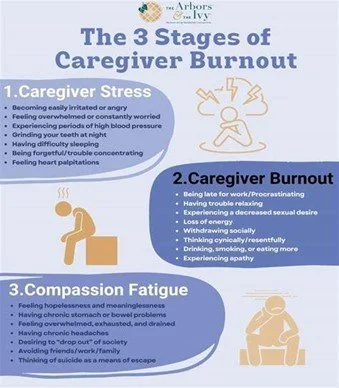
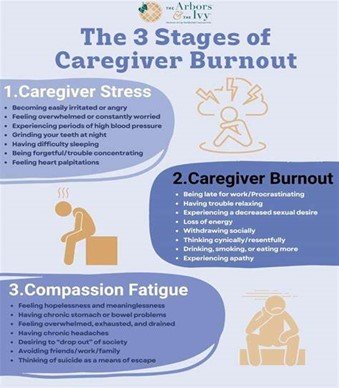
I love this easy chart of the 3 stages of Caregiver Burnout. Quick and easy with excellent information.
Feeling anxious, overwhelmed, exhausted, cranky, and finding yourself withdrawing from friends? You could be experiencing Caregiver Burnout. What exactly is “Caregiver Burnout” and how can you deal with or prevent it?
Caregiver burnout is a state of physical, emotional, and mental exhaustion. Burnout can happen at any time but typically it is caused by not getting additional help you and the loved one need, or if you are trying to do something more than able – physically or financially. Many caregivers feel guilty if they spend time on rather than on their ill or elderly loved ones.
I love this easy chart of the 3 stages of Caregiver Burnout. Quick and easy with excellent information.
How can you prevent Caregiver Burnout?
WebMD provides wonderful information on their website related to prevention. To learn more:
What Is Caregiver Burnout? - WebMD
Know your limits and do a reality check of your personal situation. Recognize and accept your potential for caregiver burnout.
Find someone you trust -- such as a friend, co-worker, or neighbor -- to talk to about how you feel.
Set realistic goals. Accept that you may need help and turn to others to handle some tasks.
Be realistic about the disease your loved one has, especially if it’s a progressive disease such as Parkinson's or Alzheimer's.
Set aside time for yourself, even if it's just an hour or two. Taking care of yourself isn’t a luxury; it’s a necessity if you're going to be an effective caregiver.
Talk to a professional, such as a therapist, social worker, or clergy member.
Find caregiver support groups or workshops that can help you find ways to manage stress.
Educate yourself. The more you know about the illness, the more effective you’ll be as a caregiver.
Stay healthy by eating right and getting plenty of exercise and sleep.
If you want to help prevent burnout, consider turning to the following resources:
Home health services -- These agencies provide home health aides and nurses for short-term care if your loved one is acutely ill. Some agencies provide short-term respite care.
Adult day care -- These programs offer a place for seniors to socialize, take part in activities, and get needed medical care and other services.
Nursing homes or assisted living facilities -- These institutions sometimes offer short-term respite stays to provide caregivers a break.
Private care aides -- These professionals can help figure out your needs and coordinate care and services.
Caregiver support services -- These include support groups and other programs that can help caregivers recharge their batteries. You can also meet others with similar issues, get information, and find more resources.
Area agency or commission on aging -- Contact your local organization or your local chapter of the AARP for services available in your area.
National organizations -- Search online for local chapters of national organizations (such as Family Caregiver Alliance) that help people with illnesses such as Parkinson's disease or stroke. These groups can provide resources and information.
What helps me…
I make a weekly list of what needs to be done that week. Then I cross off all the non-essentials and highlight what others can do. I have finally learned that not everything needs to be done NOW or BY ME!
Walk away from the situation. It may only be around the block or in the neighborhood. It is your time to rest your mind.
When they rest – you rest.
Join a support group and make a new friend that “gets” what you are going through.
Your plate is full – I am learning to say NO to additional tasks, but I always leave room for dessert “Those things I want to do for me.”
Realizing that it is ok to be angry at the situation but not at the person. They are also frustrated.
This is a marathon, and you need to celebrate the small victories.
Let go of the past. The “would of and should Of’s” will drag you down. Look forward.
Journal your feelings but always close the day with 3 items of gratitude. It may seem hard at first. Somedays just journaling “everyone is still alive and I didn’t kill them- LOL” is all you can write.
For more information on what worked for us, check out “Stroke and the Spouse” available on Amazon or follow the code below to purchase.

Stroke Caregiver Connection…Because you care!
How can I effectively manage my loved one's medications?
Looking at 10 different bottles of medication with crazy sounding names, different dosages, and different times to be given is overwhelming and frankly, can cause anyone stress. How can you manage the medications that your loved one now needs? Be sure that they are taken safely? And know when to call if there is an issue? These are all very normal questions, and you are not alone in your concerns. This week, I will provide some easy medication management tips.
Looking at 10 different bottles of medication with crazy sounding names, different dosages, and different times to be given is overwhelming and frankly, can cause anyone stress. How can you manage the medications that your loved one now needs? Be sure that they are taken safely? And know when to call if there is an issue? These are all very normal questions, and you are not alone in your concerns. This week, I will provide some easy medication management tips.
The tool that I have found most helpful is the below table/form. You can print out a copy from the download page.
ADD BUTTON
The key information needed to be successful is as follows:
Name of Medication – Ask for both the generic and the common name. The common name is usually easier to pronounce.
Date started and what MD ordered –
What the medicine is for – ask them to describe in laymen terms. Such as for high blood pressure or to prevent clots.
What is the dose and how often to take –
What are some concerns I should watch for –
For example, if someone is on blood pressure medicine, you need to check for daily BP. Ask the MD what range they should be at and when to call the office.
Any nutritional concerns, can they eat or not eat certain foods on this medication.
If blood thinner, what precautions need to be taken.
Does this medication need to be evaluated utilizing blood work such as bleeding studies.
Your pharmacist can be an excellent source for providing education as well as the nurse at the doctor’s office. Never be afraid to ask.
For more information on what worked for us, check out “Stroke and the Spouse” available on Amazon or follow the code below to purchase.
Stroke Caregiver Connection…Because you care!